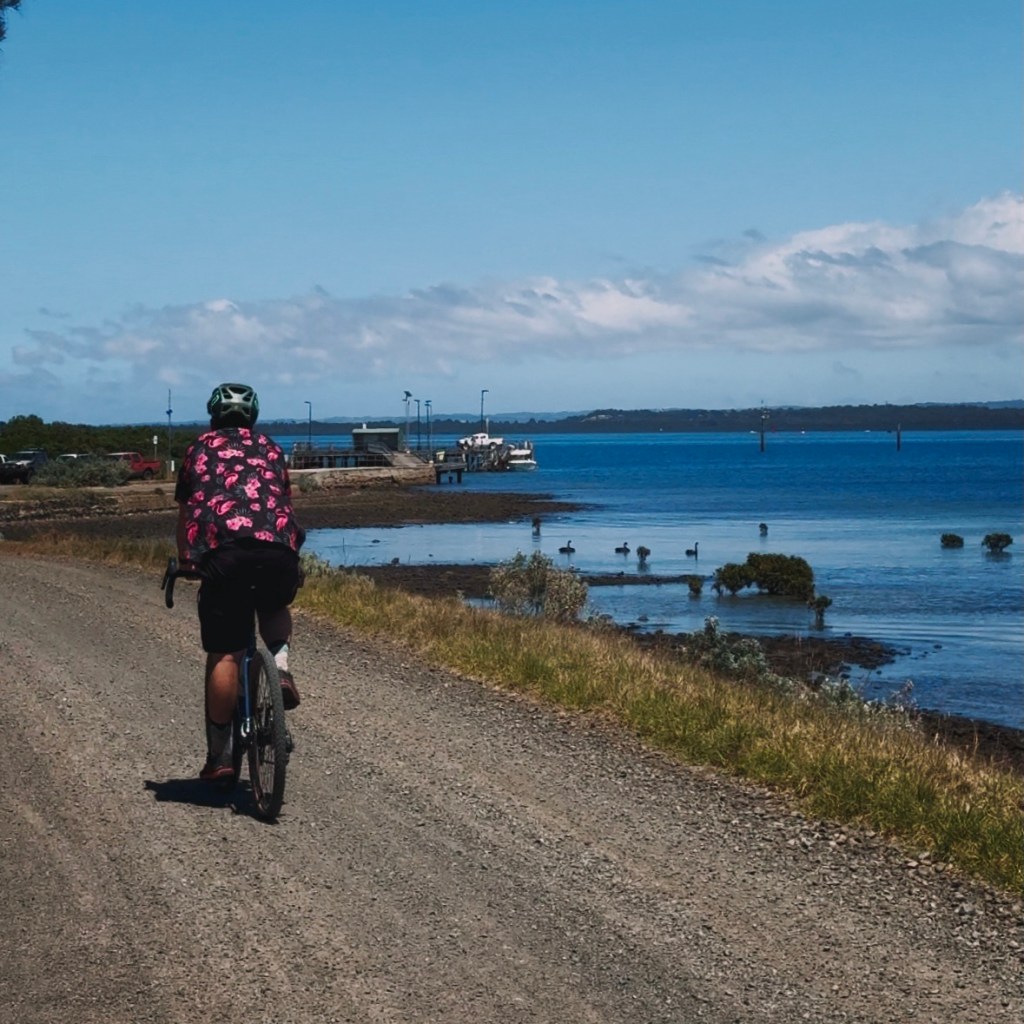
We’ve all been there: trapped in the dentist’s chair, mouth uncomfortably wide open, trying to make polite noises while they happily chat away. So, there I was, mid-clean, with metal tools clanging against my teeth, whilst my dentist started raving about his sailing trip around French Island. Naturally, I pictured some dreamy spot off the coast of Europe. Nope. Turns out, French Island is just 1.5 hours east from Melbourne, off the coast of Mornington Peninsula in Western Port Bay. So, taking my dentist’s advice (aside from the “floss more”), we headed out on a gravel ride around the island, and it did not disappoint: champagne gravel roads, coastal views, and more wild koalas than you can count (literally, I lost track at 30).
Skip to:
- Quick Look
- About French Island
- Where to Start Biking on French Island
- Skill Level Needed to Bike on French Island
- Where to Stay on French Island
- Trip Report
- Tips for Biking on French Island
Quick Look
Distance: 35km (various distance options)
Elevation: 300m
Duration: 1-2 Days
Surface: 100% Gravel
Skill level: Beginner (& Kid Friendly)
Location: Mornington Peninsula, Victoria
GPX: https://ridewithgps.com/trips/245160270
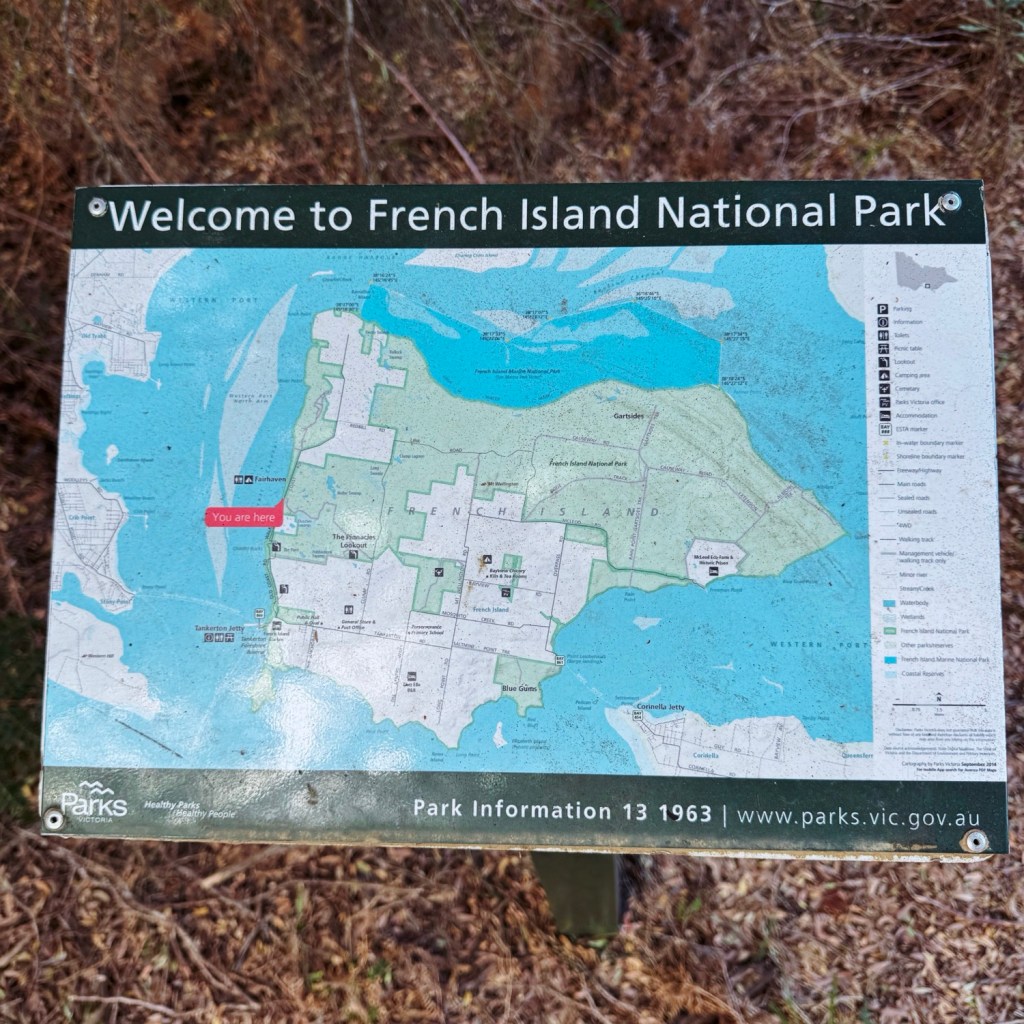
About French Island
French Island is the traditional land of the Bunurong People. They lived on the mainland and travelled to the island to hunt and gather, leaving behind traces of their history, including shell middens and stone scatters.
Around 70% of the area has now been declared French Island National Park. It is home to Victoria’s largest disease-free koala population, making it a key player in conservation efforts. Koalas from here are often relocated to help repopulate areas on the mainland.
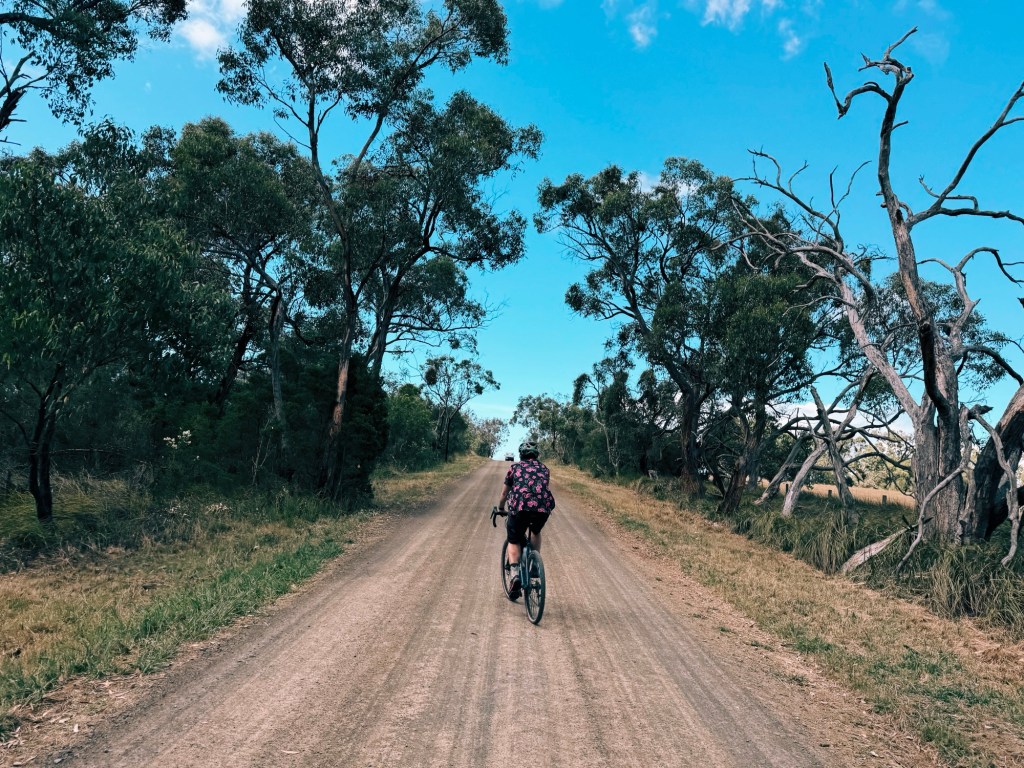
French Island isn’t flashy like the surrounding coastal towns of Phillip Island and Mornington Peninsula. It’s not covered in touristy hot-spots or packed with crowded beaches. With a (human) population of just 139 people and an average age of 52, it’s a sleepy town. Life on French Island is simple; there’s no mains water, electricity, or medical services. With over 40 km of unsealed gravel roads (not including the park tracks), almost no traffic as only landowners are allowed cars, it is a gravel riders paradise.
Where to Start Biking on French Island
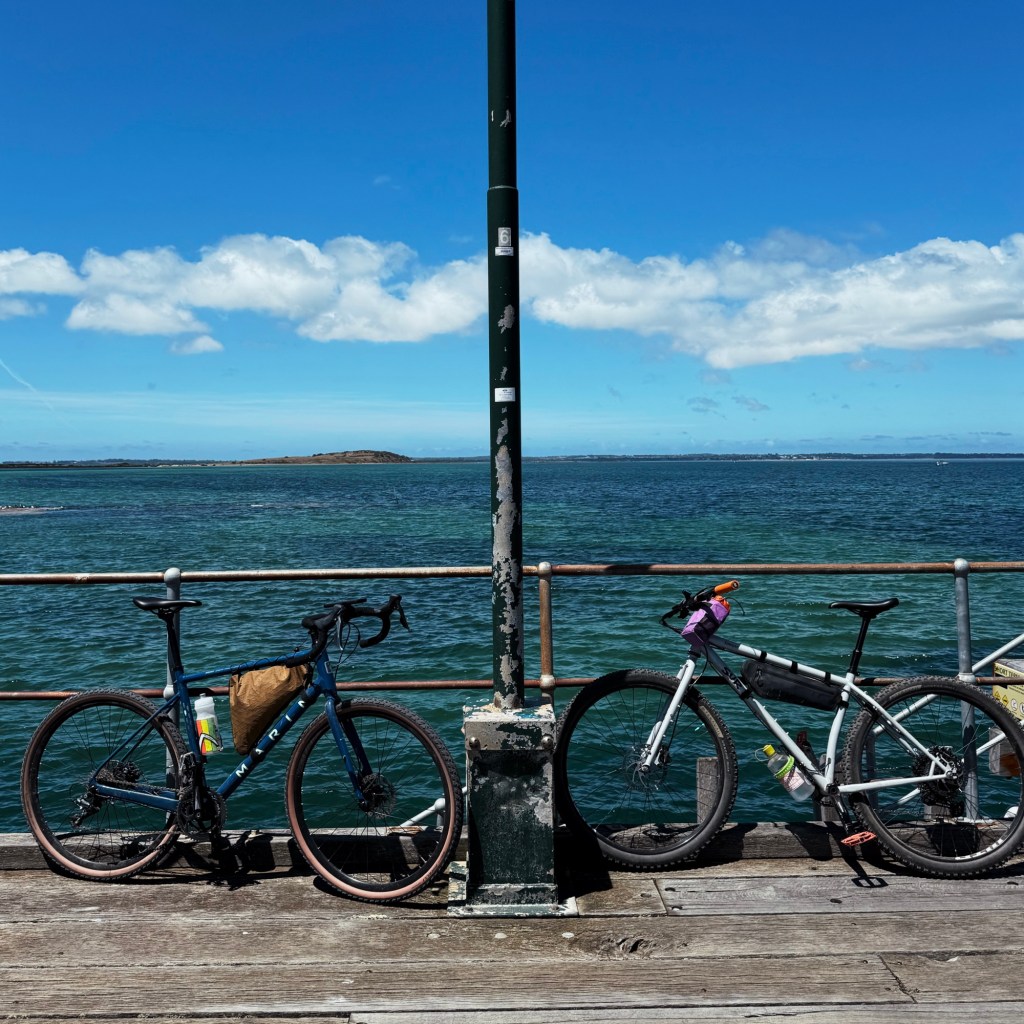
French Island is just a short ferry ride away, roughly 15 minutes from Stony Point (Mornington Peninsula) and Cowes (Phillip Island). Stony Point is just over 1-hours drive from Melbourne, but there’s also a train station conveniently located right across from the jetty. Keep in mind, cars aren’t allowed on the island unless you’re a resident, so it’s all about two wheels or two feet once you get on the ferry.
Skill Level Needed to Bike French Island
Riding on French Island is mostly flat and beginner-friendly. It’s so chill that even my 70-year-old parents spent the day cruising around on their e-bikes. We covered 30km in just half a day, but if you’ve got the time, you can extend your ride further, exploring out to the western border.
The only real challenge we encountered was the sandy stretches, especially within the National Park. These patches can get a bit sketchy, leaving you skidding if you’re not careful. A set of wider tires will make tackling these sections much easier!
Where to Stay on French Island
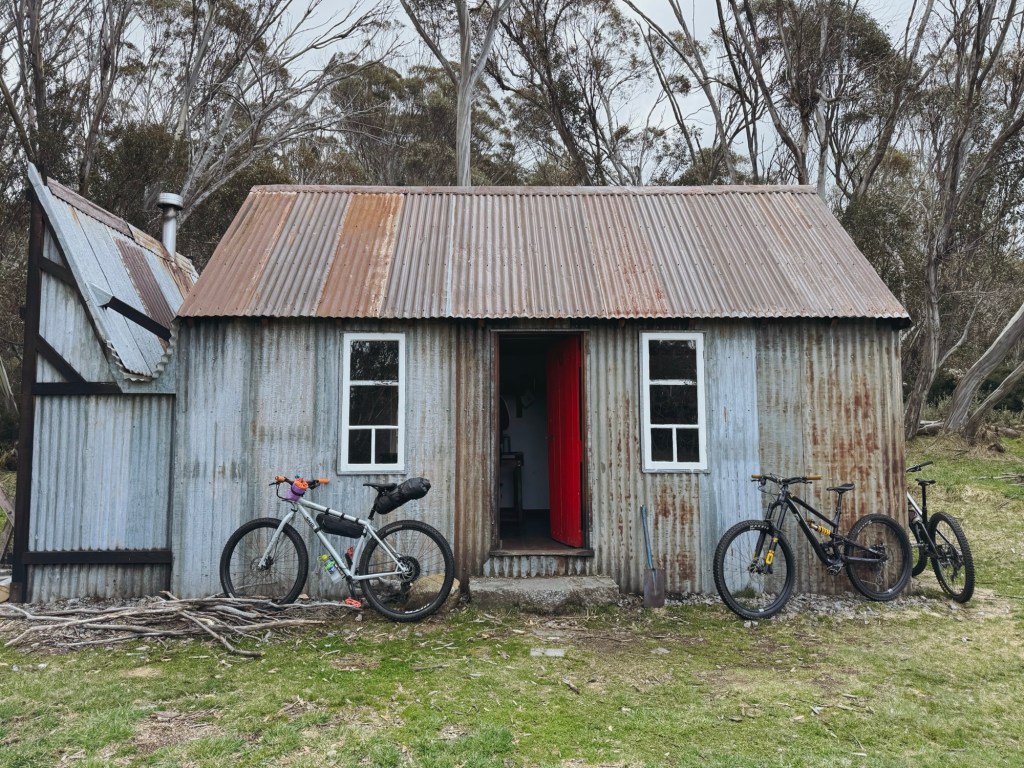
The island has one official National Parks campground, Fairhaven Campsite. Booking’s are required ahead of time, on the VIC National Parks Website. There are other accommodation options, including privately owned campsites on people’s properties and luxury Airbnbs. Bookings are essential, so plan ahead.

Trip Report
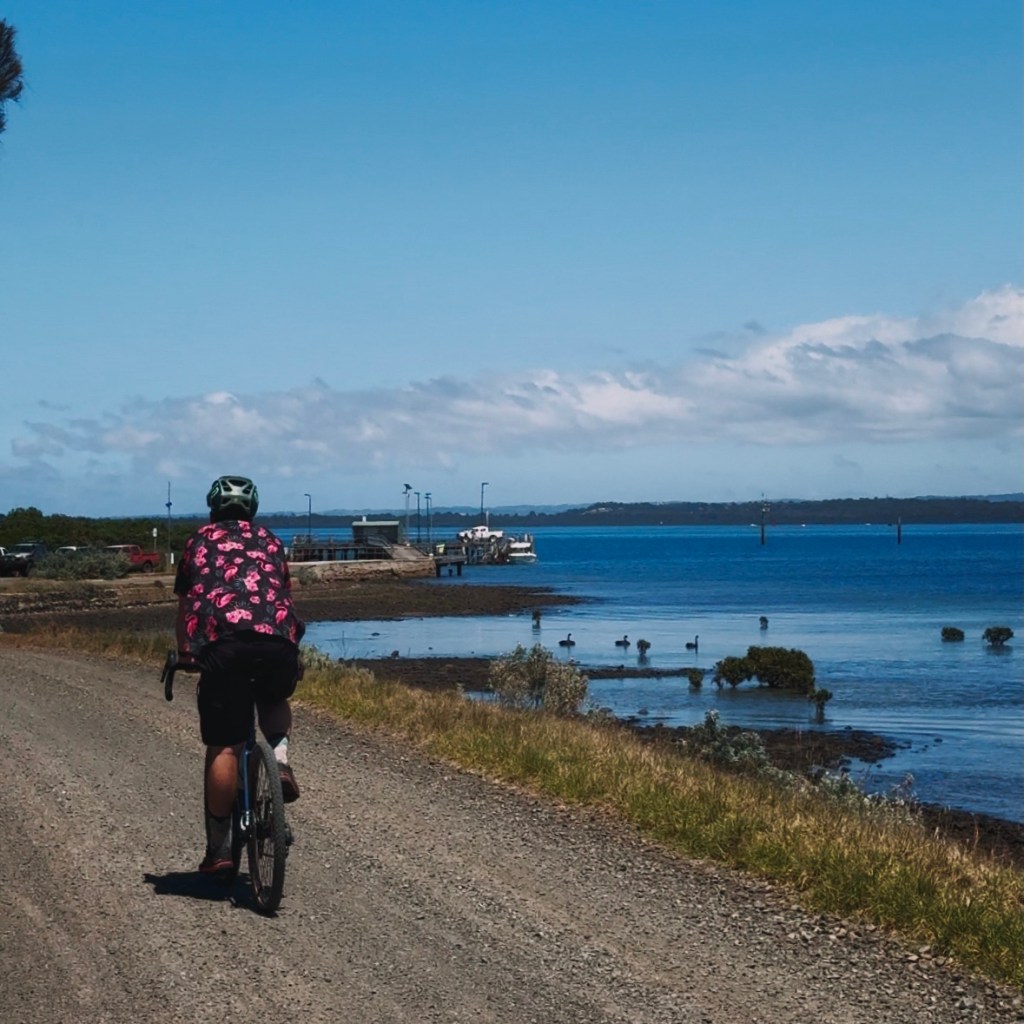
We kicked off the day early, hopping on the first ferry from Stony Point to French Island to beat the summer heat. As the boat glided across the sparkling aqua-blue water, the cool breeze in our hair had us leaning into a full Titanic moment.
Rolling off the Tankerton Jetty, we were immediately engrossed by the island’s silence, broken only by the crunch of our tires on gravel and the occasional bird call. We turned left on to Coast Road, following the shoreline bordered by mangroves. Not even 10 minutes into the ride, a bandicoot darted across the road, my first time seeing a (live) one in the wild.
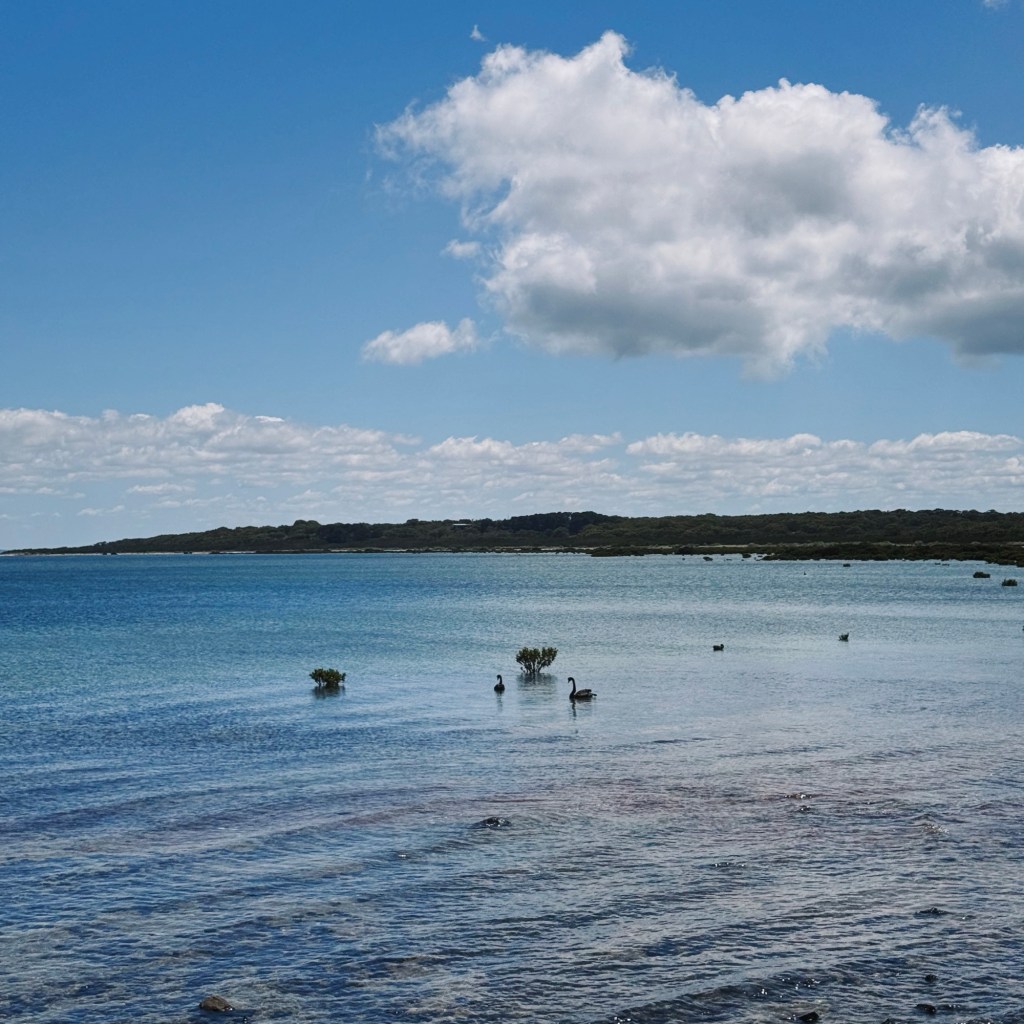
Our first stop was Fairhaven Campsite. We weren’t planning to stay, but we’d heard good things and wanted to scope it out for future trips. It didn’t disappoint. The campsite was tucked away in a peaceful corner of the island, surrounded by bushland and a hidden beach that beckoned a swim. We got chatting to a camper who told us that if we wanted to guarantee a koala sighting, we should head to Red Bill Road, affectionately nicknamed “Blinky Bill Road.” Tempting as it was, we decided to stick to our planned route and return that way if we came up short on koalas.
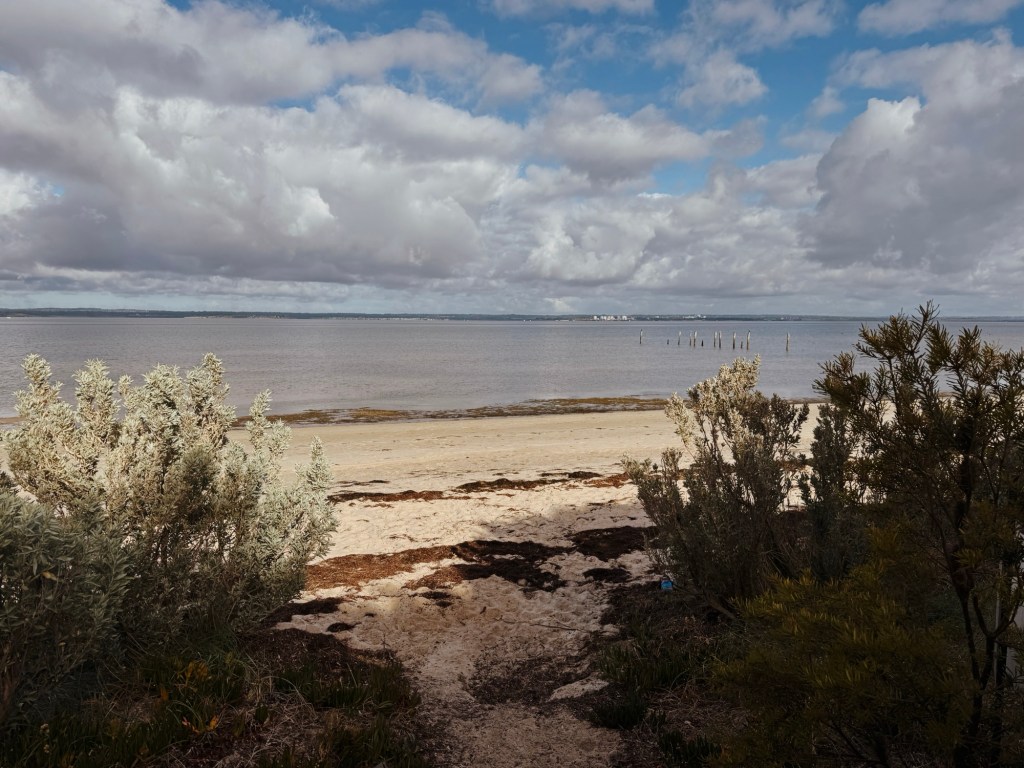
We turned into the National Park and onto the Wetlands Walk, a rugged 4×4 trail that gave off serious safari vibes. As we veered onto the Pinnacles Track, the short climb to the top began. With Josh up ahead, I suddenly heard a funny scratching sound beside me. Expecting to spot a goanna in the trees. I turned my head, and there it was: a koala, right next to me! I practically screamed with excitement. We stopped for a few minutes to admire the little legend before continuing on.

At the ‘summit’, the Pinnacle Tower stands at 66 meters above sea level. While it wasn’t exactly the height of grandeur, the views were surprisingly good. You could see across the island and out toward the sea.
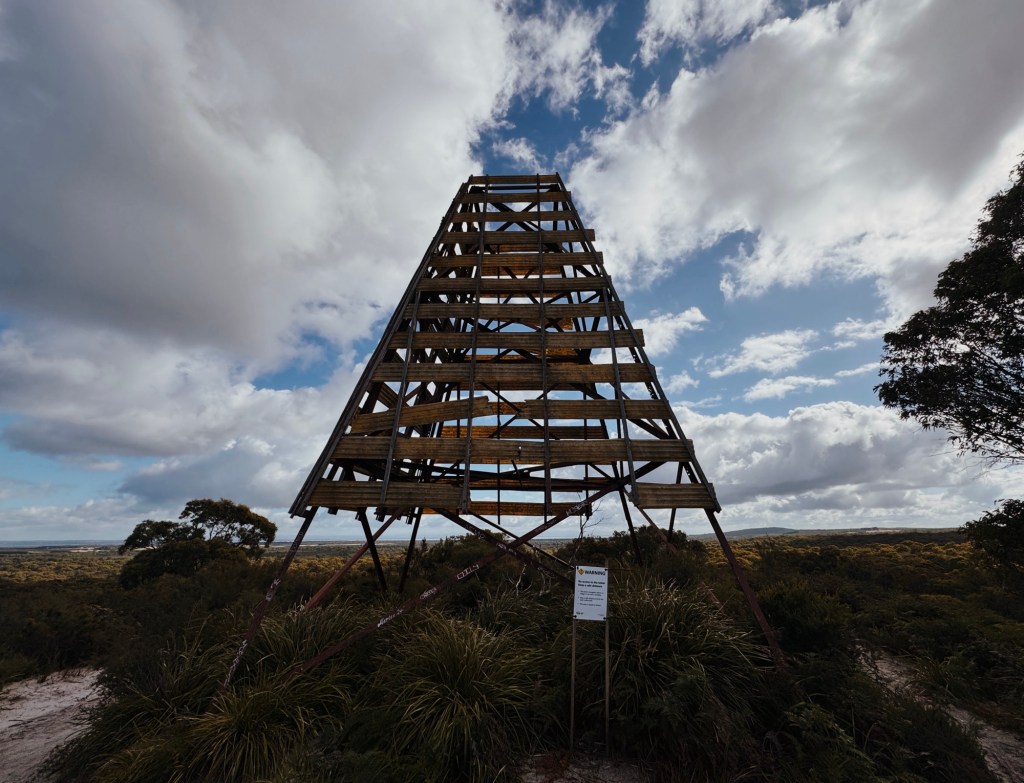
From there, we descended and turned onto Clump Road, where we spotted our second koala of the day, curled up in the fork of a tree. The next stretch was a fast and fun ride through forested tracks before we hit Link Road; a rougher, sketchier section that definitely kept things interesting. Soon after, we turned onto Mount Wellington Track. At 96 meters, Mount Wellington is the island’s highest point, but honestly, the forested slopes didn’t offer much in the way of views.
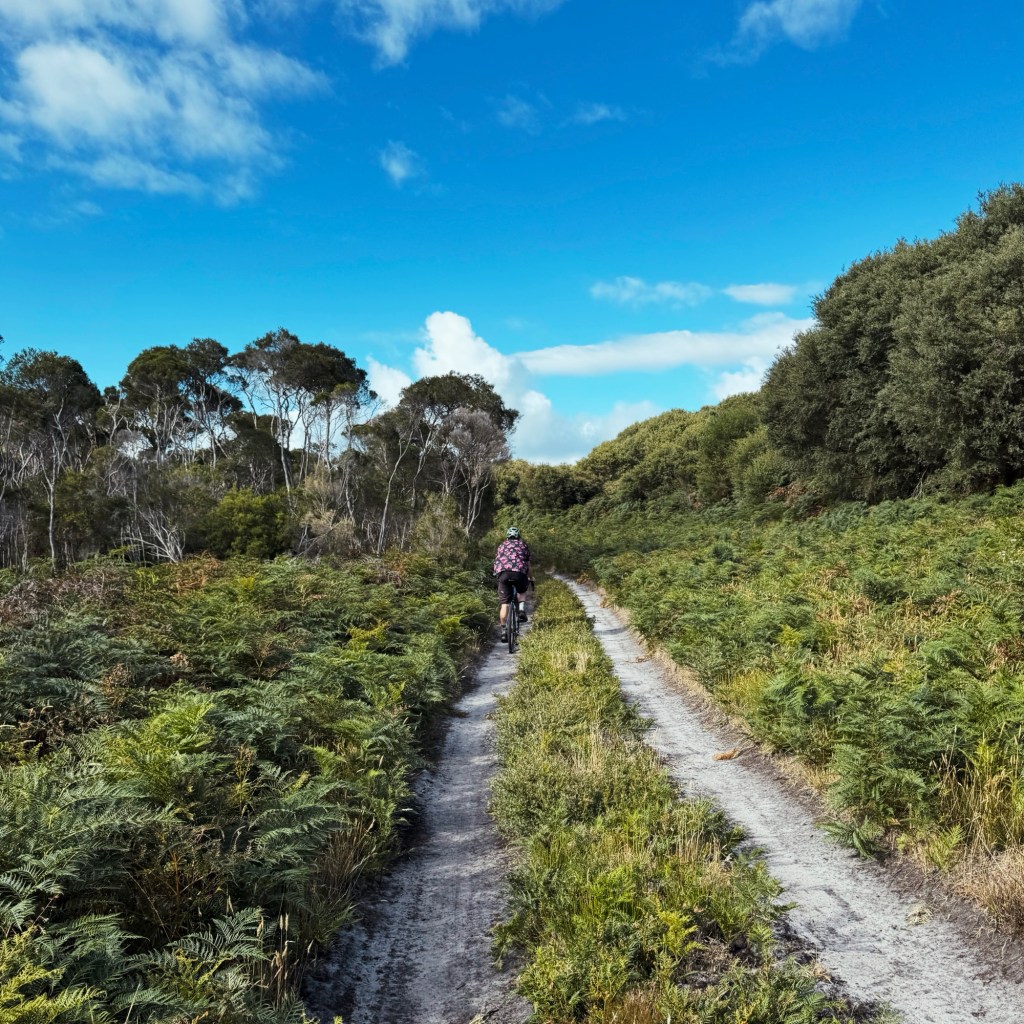
The real highlight came as we exited the national park and continued onto the gravel road. Suddenly, there were koalas everywhere. I’m not exaggerating! Some trees had two or three, and we even spotted a mum with a baby on her back. I lost count after 30 but was no less excited each time we saw one.
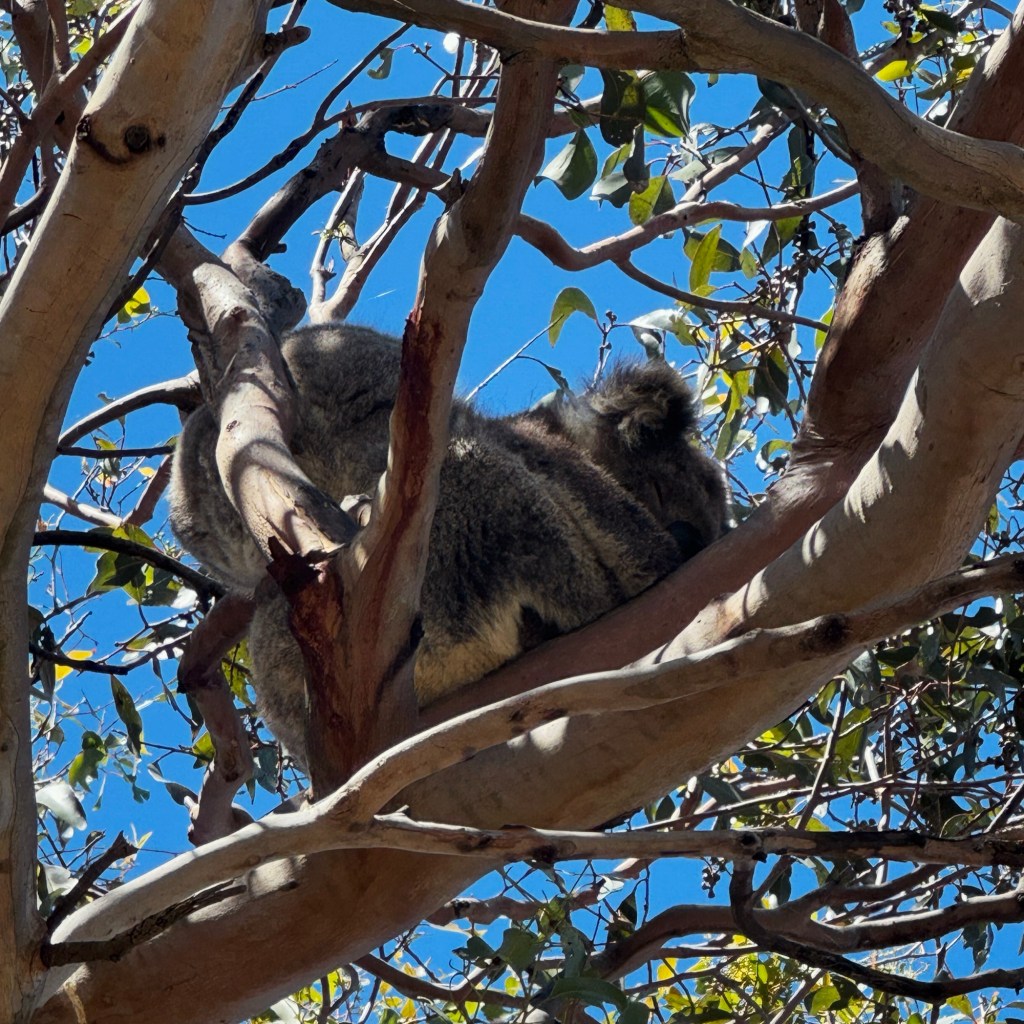
Our final stretch took us through farmland, with wide-open fields and the occasional local giving us a lazy wave as they hooned past in beat-up paddock-bashers. We turned onto Tankerton Road, tempted to detour to Saltmine Point Track to check out the Blue Gums. But with our ferry departure looming, we decided to play it safe and head straight to the general store.
The general store was everything you’d expect in a country diner: warm, welcoming, and full of character, with koala collectables lining every shelf. Given the island’s history as a chicory farming hub for over 70 years, we couldn’t resist trying the famous chicory milkshake, with a side of loaded fries. To top it all off, there was a koala sitting in a tree right out front of the store.
As we pedalled the final few kilometres back to the jetty, we spotted a few more koalas along the way. With 15 minutes to spare, we had just enough time to rinse the dust off our legs in the cool water before boarding the ferry home.

Tips for Biking on French Island
Bike: A gravel bike is the way to go, but a mountain bike would also ride well on the island. Wide tires are a bonus for handling the sandy patches.
Phone Service: We’re with Optus, and we had reception across the entire island.
Closures: The ferry can be cancelled in poor weather. Check for any track or park closures before you go.
Water: Despite being surrounded by water, it’s all sea water (not drinkable). The island itself has limited access to drinking water, so be sure to bring your own.
Wildlife: As tempting as it is, don’t feed or touch the koalas. Admire them from a distance and give them space.
Insects: Don’t forget the insect repellent. We did and got absolutely savaged by mosquitoes (lesson learned).
Disclaimer: Content on Path & Pedal is for general information and inspiration only. All route guides and trip reports are based on personal experience and research at the time of writing. Conditions, access, weather, and regulations can change. Always check official sources and use your own judgment. Outdoor adventures carry risk, and Path & Pedal accepts no liability for injury, loss, or damage.
 Path & Pedal
Leave a comment