There is a very specific kind of misery that comes from lying awake on an uncomfortable sleeping mat at 2am.
You are exhausted, but completely incapable of sleep. Hips aching. Back aching. Cold seeping in from the ground. Soon enough you start mentally calculating how many hours until sunrise, and whether hiking at 3am just to get off the damn thing is a good life choice.
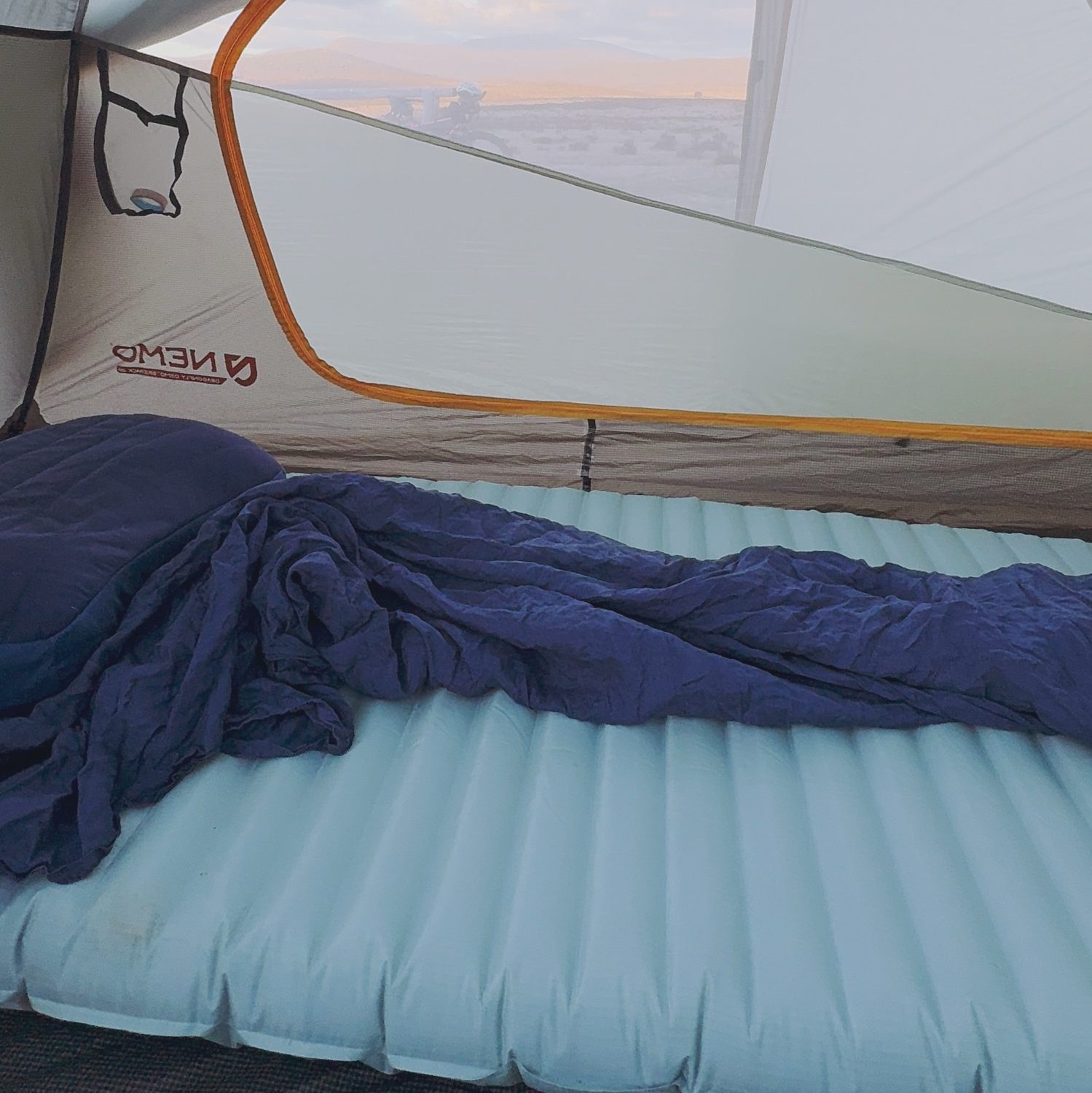
I have had enough of those nights to narrow things down to a small quiver of sleeping mats that I reach for depending on the trip and season. So, if you are looking for the best sleeping mats for hiking, bikepacking or snow camping, these are the ones that have earned their place in my pack.
Skip to:
- What I Look for in a Sleeping Mat
- Best Winter Sleeping Mat
- Best Weight to Warmth Ratio Sleeping Mat
- Most Popular Sleeping Mat
- Best Foam Sleeping Mat
- Best Double Sleeping Mat
What I Look for in a Sleeping Mat
After a lot of trial and error, these are the things I prioritise when choosing a sleeping mat for an overnight or multi-day adventure.
R-value (warmth rating)
R-value stands for ‘resistance value’ or put simply, the mat’s ability to insulate you from the ground beneath. I am a cold sleeper and spend a lot of time hiking and bikepacking in alpine areas, so I rarely go for a mat with an R-value below 4.
If you are a quilt user like me, your sleeping mat insulation matters even more. Your mat provides the only barrier between you and the earth, so if you skimp here, you will absolutely suffer the consequences out there.
Size
All specs below refer to regular mummy sizes: roughly 181 to 183cm long and 50 to 55cm wide. I almost always buy the sleeping mat’s wide version. As a side sleeper who flops around like a fish at night, the extra width is worth every extra gram for me.
Baffle Design
I lean heavily toward pocket-sprung designs. I just find them more comfortable and mattress-like. They also feel less prone to those catastrophic baffle blowouts that turn your mat into a sad air taco. The downside is they can be harder to repair if a hole appears inside the cushion-design.
Weight and Pack Size
Weight matters most on thru-hikes and long-distance rides where every gram counts, and pack space is prime real estate. A bulky sleeping mat can dictate your entire pack setup on the bike, so this is often my biggest deciding factor (sometimes even at the expense of comfort).
Best Winter Sleeping Mat
Nemo Tensor Extreme Conditions Sleeping Pad
R-value: 8.5
Thickness: 9cm
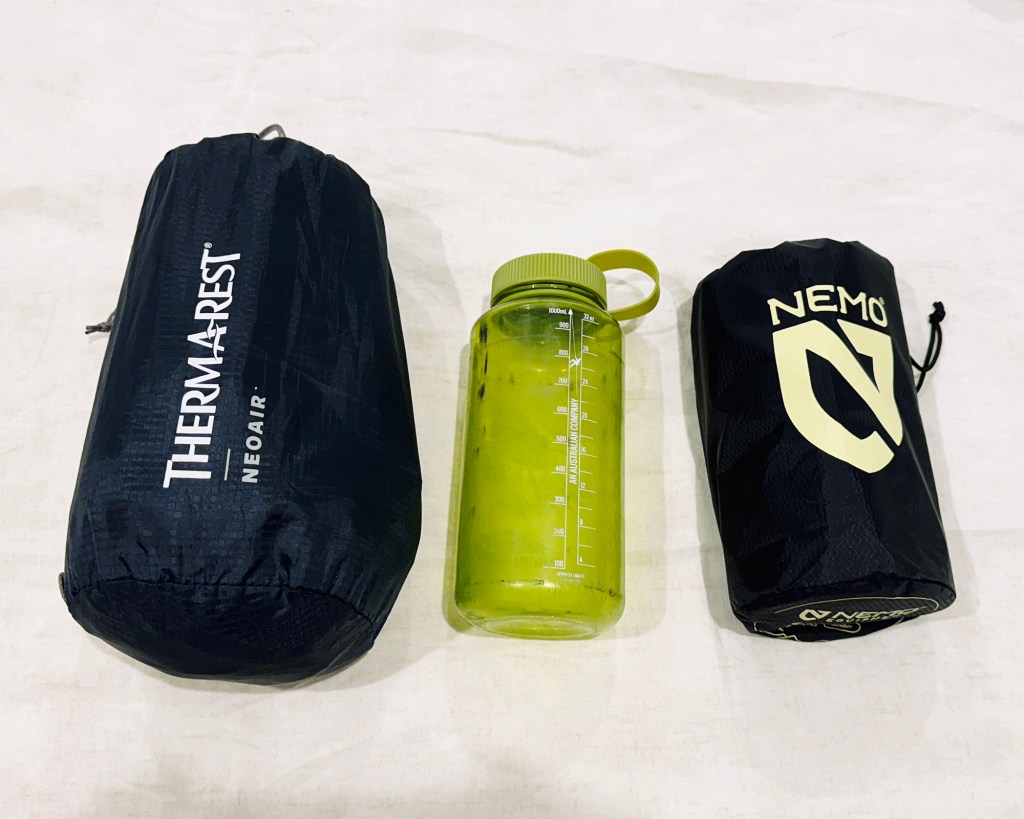
Packed Size: 25.5cm x 10cm
Weight: 554g
Price: $375.95 @ WildEarth
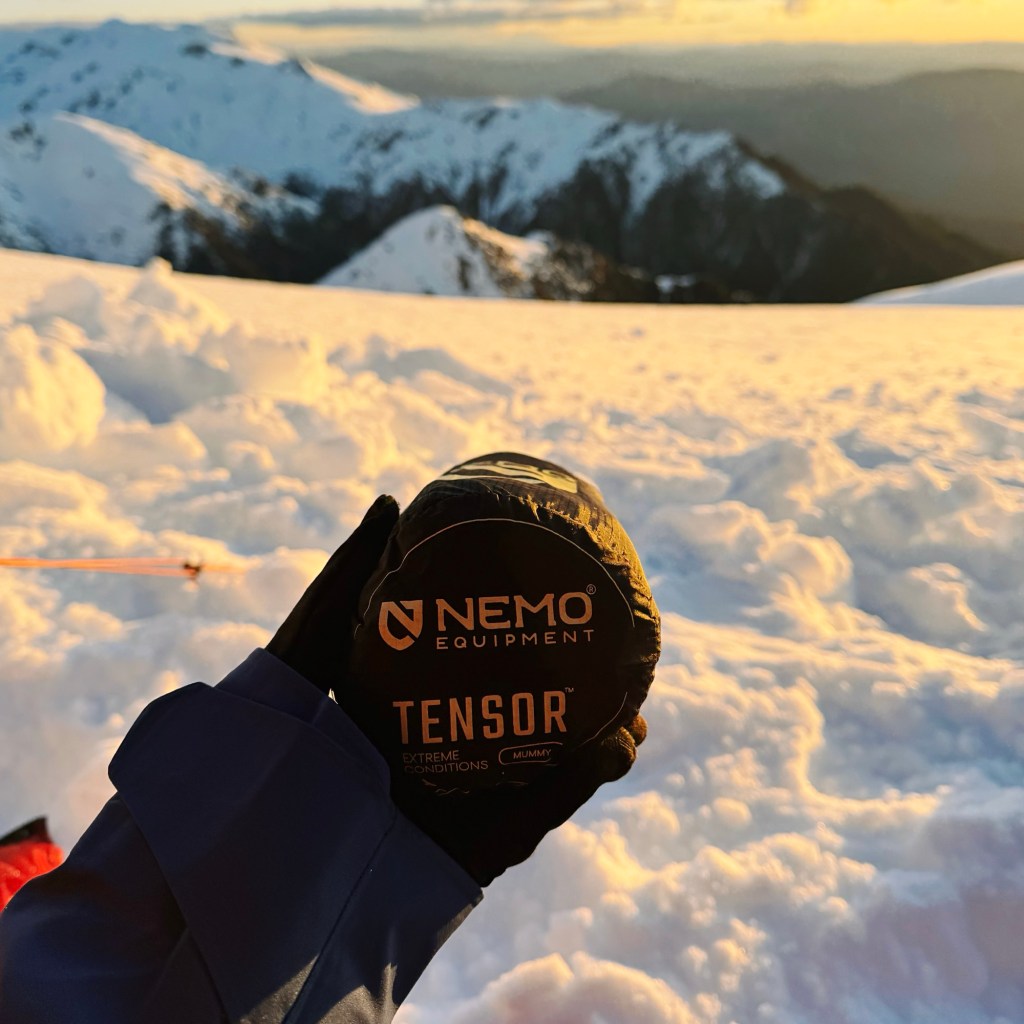
On paper, this mat is impressive. An R-value of 8.5, just over 500 grams, and a packed size not much bigger than a Nalgene, but what actually sold me was using it on snow. It is easily the warmest mat I have ever slept on. There is no cold coming through, even on frozen ground, thanks to its four layers of internal Thermal Mirror™ metalized film.
The inflate system is another win. Nemo’s pump sack is genuinely glove friendly, which is essential when you are setting up camp in temps well below zero and completely exhausted from a big day ski touring. Quick, and simple, no electric pump needed here.
The upgraded fabric uses 20D nylon on top and 40D on the base, doubling the durability of previous models. The grid-style baffle design feels far closer to a mattress than any horizontal baffle mat I have used, making it one of the most comfortable (and silent) inflatable mats to sleep on.
Best Warmth to Weight Ratio Sleeping Mat
Themarest Neoair Xtherm NXT Sleeping Pad
R-value: 7.3
Thickness: 7.6cm
Packed Size: 23cm x 11cm
Weight: 440g
Price: $535 @ WildEarth
If warmth-to-weight ratio is your top priority, this ultralight winter mat is hard to beat. For how light it is, the warmth feels borderline ridiculous, which explains why you see it used by so many thru-hikers. As a cold sleeper running a quilt, I use this mat all year and will be taking it on the Bibbulmun Track in Autumn.
A 70D nylon base paired with a 30D ripstop top gives it enough durability for rough ground without pushing the weight up. Josh reckons it sounds like a chip packet but I think that is a bit harsh. Once inflated, the noise is actually pretty minimal.
My only real gripe is the inflate system. It works fine, just not as smooth or fast as the Nemo Tensor Extreme. The storage sack could be cut a little more snug to trim packed size down as well.
Pricey, yes, but if you want one of the best ultralight 4-season mats going, it’s worth it.
Most Popular Sleeping Mat
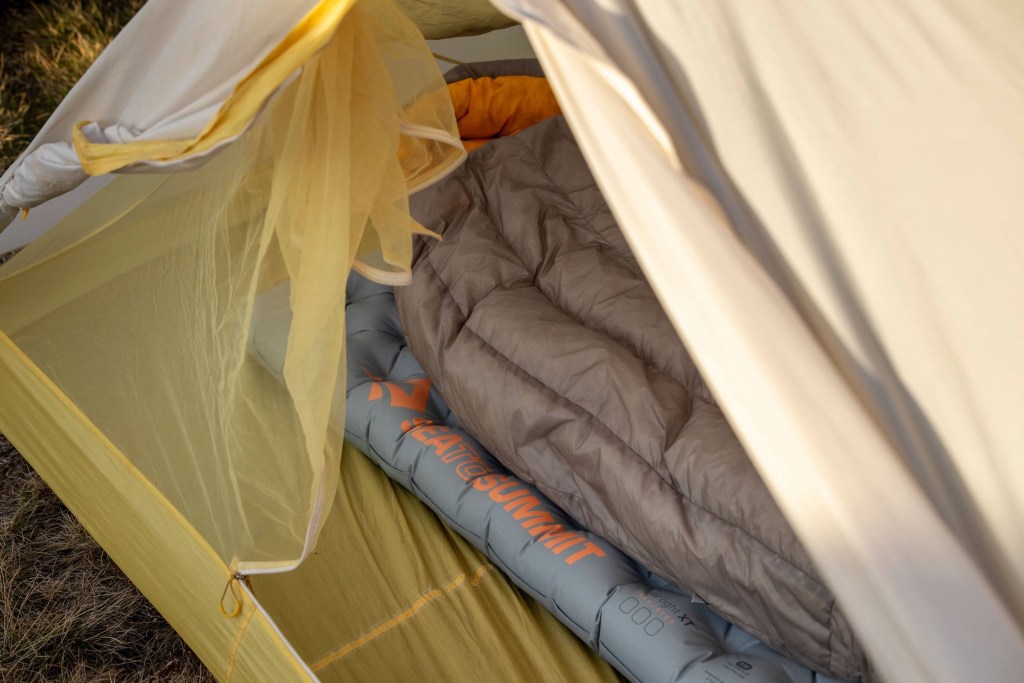
Sea to Summit Ether Light XR Insulated Sleeping Mat
R-value: 4.1
Thickness: 10cm
Packed Size: 20.5cm x 11cm
Packed Weight: 470g
Price: $256.95 @ WildEarth
Full disclosure: I have not used the updated XR yet, but I used the older Ether Light for years, so this is based on that experience.
This is the most budget-friendly inflatable sleeping mat on this list, which may explain why it is the most popular sleeping mat I see in the field.
Comfort-wise, the Ether Light range sits at the top for me. The Air Sprung Cell design feels properly plush, and at 10 cm thick it is the cushiest mat on this list making it perfect for side sleepers.
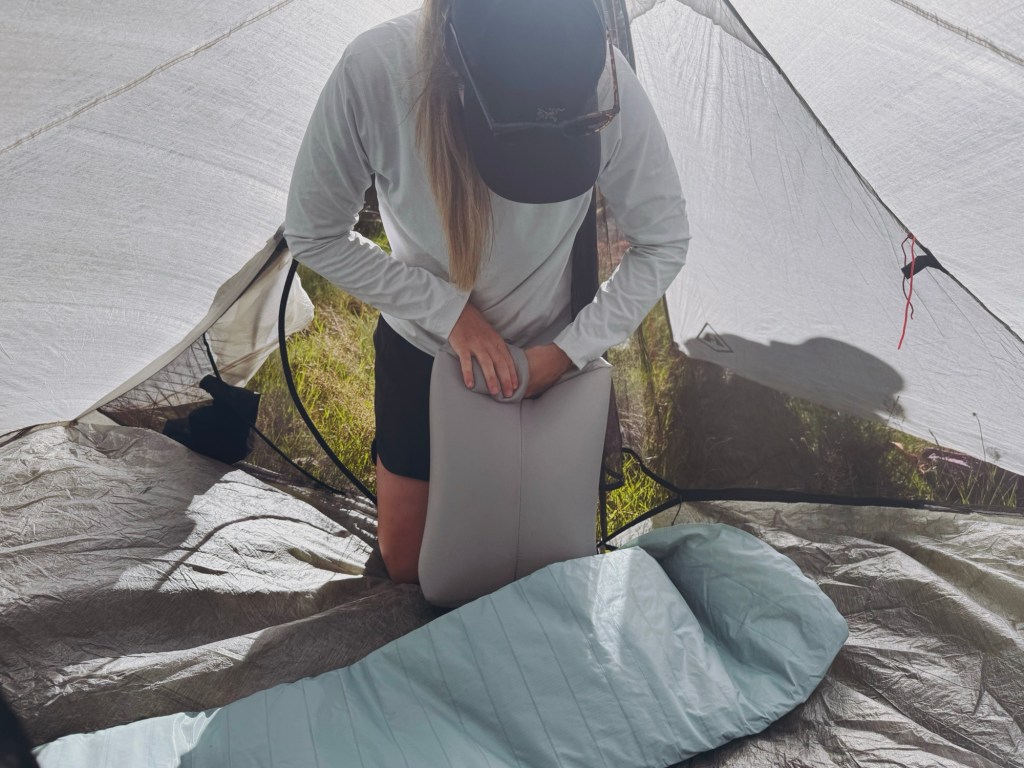
The integrated pump sack is the best design going round. Built into the stuff sack, it’s a minimal design that’s quick and easy to use. Other brands should absolutely take notes.
The old version was notoriously loud though. Roll over and it would wake the whole campsite up. From everything I have seen online, the XR is noticeably quieter, though still not completely silent.
It is also worth mentioning, that the Ether Light Pro has also had a serious overhaul. The previous version was my winter mat before I moved to the Nemo Tensor Extreme. The new model now has a 7.4 R-value in a far more compact size, making it a worthy snow camping option.
Best Foam Sleeping Mat
Thermarest Z-lite Foam Hiking Mat
R-value: 2.0
Thickness: 2cm
Packed Size: 51cm x 13xm x 14cm
Weight: 410g
Price: $125.95 @ Wildearth
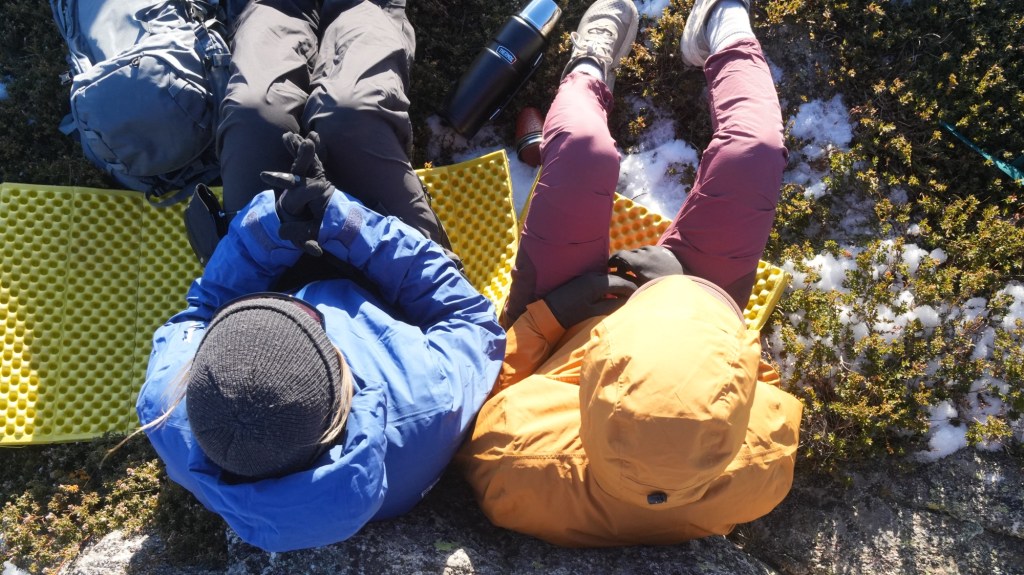
Ah yes, the humble foam mat. Foam mats are often overlooked, but for the price they are absolutely worth having in your gear cupboard. I have taken foam mats on multiple thru-hikes, including the AAWT and Te Araroa. They are not winning any awards for comfort, but they are wildly dependable.
Closed cell foam does not absorb water, so if it lives on the outside of your pack in rain or snow, you just wipe it down before bed. They are completely bombproof so there’s no chance of deflating overnight.
These days I mostly use mine as an insulation layer under an inflatable mat when snow camping. It adds noticeable warmth, protects your main mat, and works as a backup if your inflatable mat fails. I have also chopped extra panels off mine to create a dedicated sit pad for snow trips and sunrise coffees.
To be honest, they are very similar from brand to brand so I would just check the r-value, and weight and buy the cheapest one you can find here.
Best Double Sleeping Mat
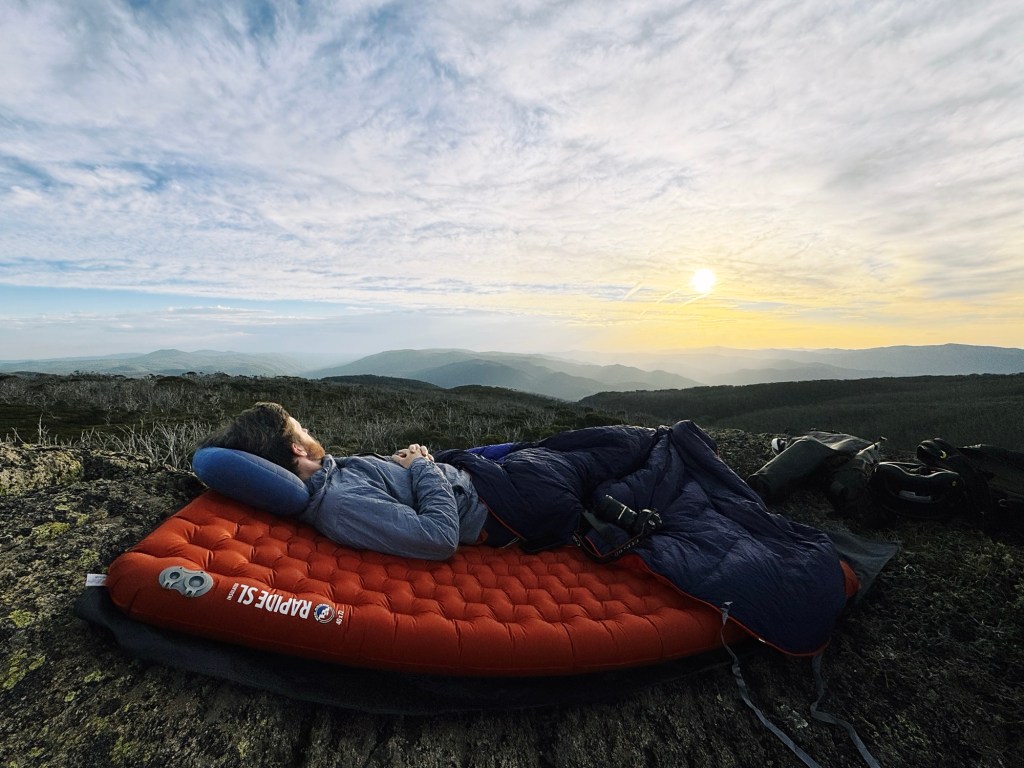
Big Agnes Rapide SL Insulated Double
R-value: 4.8
Thickness: 9cm
Packed Size: 14x7cm
Weight: 1.05kg
Price: $485.95 @ WildEarth
Why buy two mats when you can share one for the same price?
If you camp together often, a double mat is as game changing as a double sleeping bag. In the past we used a mattress coupler kit to keep our mats together, but even then they still slid apart overnight. The Rapide SL Double fixes that with a quilted top and raised side baffles that help stop rolling off the edges. It is mega comfortable and surprisingly quiet.
The new version packs down to just a bit bigger than a Nalgene, which makes bikepacking trips way more manageable: one person carries the mat, the other the quilt.
At around 105 cm it’s one of the narrowest double mats on the market, so it is more ideal for couples that like to spoon rather than starfishing side-by-side. We found it fit perfectly into our two-person tent.
Disclosure: I am a WildEarth ambassador, which means some of this gear has been gifted or bought at a discounted rate from wildearth.com.au. I wasn’t paid to write this article, but where WildEarth products are linked, an affiliate code has been used. Everything written here is based on my own experience using this gear in the outdoors. Outdoor adventures carry risk, and Path & Pedal accepts no liability for injury, loss, or damage.
 Path & Pedal
Leave a comment