I’ve always thought calling something “The Best Ride in Australia” is a bit bold when I still have countless roads left to ride. But when it comes to iconic Australian gravel rides, the ride to Mount Kosciuszko sits right at the top (pun intended).
The Summit Trail wastes no time getting to the good part. The gravel is smooth, the granite boulders are enormous, and Seamans Hut offers a welcome excuse to stop along the way. With every kilometre the views across the Main Range open wider, and the whole time you’re pedalling toward the highest point on mainland Australia.
Skip to:
- Quick Look
- About Kosciuszko National Park
- Where to Start & End the Mount Kosciuszko Ride
- Skill Level Needed for the Mount Kosciuszko Ride
- Best Time for the Mount Kosciuszko Ride
- Where to Stay Nearby the Mount Kosciuszko Ride
- Trip Report
- Tips for the Mount Kosciuszko Ride
Quick Look
Distance: 18km
Elevation Gain: 400m
Duration: 2-4 hours
Skill level: Confident Beginner
Location: Kosciuszko National Park, NSW
GPX: Click here
About Kosciuszko National Park
The Snowy Mountains have been home to the Ngarigo people for thousands of years. During colder months they sheltered in the valleys, moving into the high country in warmer weather for the annual Bogong moth harvest. If you’re lucky, you can still catch swarms of these huge moths fluttering around the peaks at dusk.
In 1840, Polish explorer Paul Strzelecki, guided by two Aboriginal men, Charlie Tarra and Jackey, became the first recorded European to summit Mount Kosciuszko. By 1909, the completion of the Summit Road laid the foundation for the route used today. In 1976 the road was closed to vehicles beyond Charlotte Pass, transforming it into a gravel rider’s dream.
Where to Start & End the Mount Kosciuszko Ride
This ride is an out-and-back starting and finishing at Charlotte Pass carpark. Charlotte Pass is about a 2.5 hours drive south of Canberra or around 5.5 hours from Sydney. The closest serviced town is Jindabyne, just over a 30 minute drive away. From Jindy, the road climbs steadily into the alpine, so drive to the conditions and keep an eye out for wildlife.
You’ll need a valid NSW National Parks pass to enter Kosciuszko National Park. These can be purchased at the Jindabyne Visitor Centre, or at the park entry stations during operating hours.
Skill Level Needed for the Mount Kosciuszko Ride
I’d recommend this ride for confident beginners and above. The climbing isn’t particularly brutal, with a few steeper pinches but mostly a steady grind up to Rawson Pass. If fitness is a concern, e-bikes can be hired in Jindabyne, which makes the ride far more accessible.
The main features to watch for are rocky water bars scattered along the road. Some riders may prefer to hop off and walk these sections.
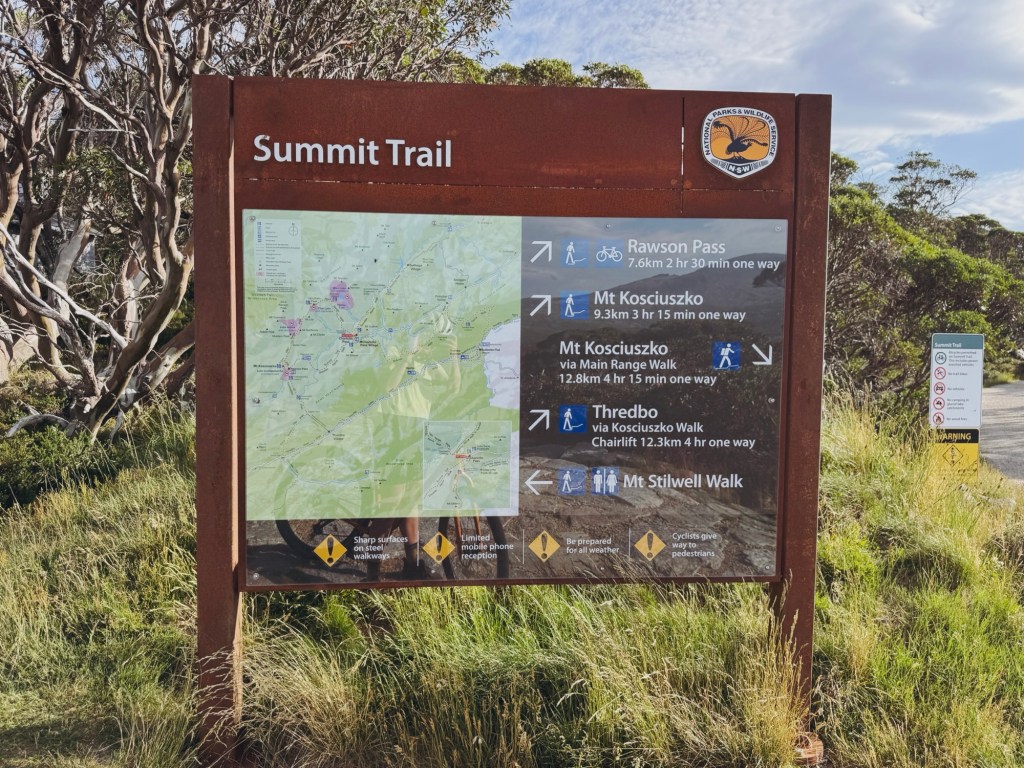
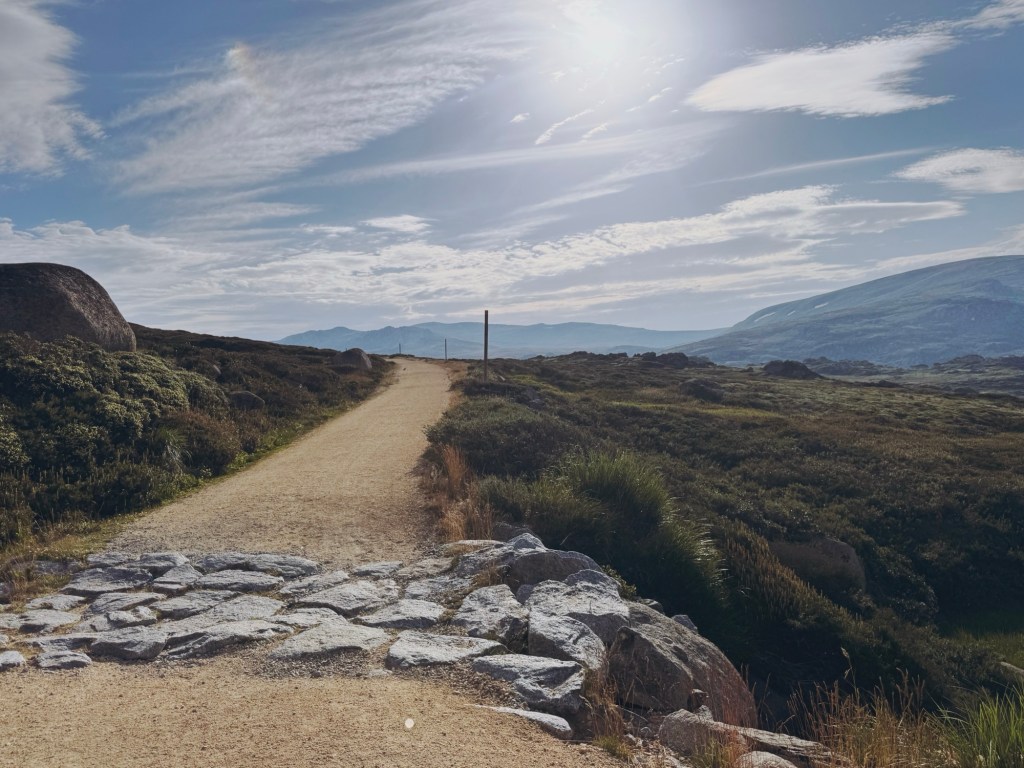
Navigation couldn’t be easier. The route follows one clear management trail the entire way, with snow poles marking the route all the way to Rawson Pass.
Best Time for the Mount Kosciuszko Ride
From the June long weekend to the October long weekend, the road to Charlotte Pass is closed from Perisher due to snow. Late spring to early autumn is when this ride really shines. Snowmelt feeds waterfalls, alpine wildflowers carpet the plains, and the high country comes alive with insects.
Keep in mind, this is true alpine terrain so weather can change quickly. Rain, hail, snow, lightning, and strong winds are all possible year round. Always check the forecast before leaving home and be prepared for any condition.
Personally, I prefer this as a sunrise or sunset ride. Midday sees the most foot traffic and the summit can feel very busy. Riding in the golden hours softens the light and thins the crowds, just factor in the challenge of riding back at dusk.
Where to Stay Nearby the Mount Kosciuszko Ride
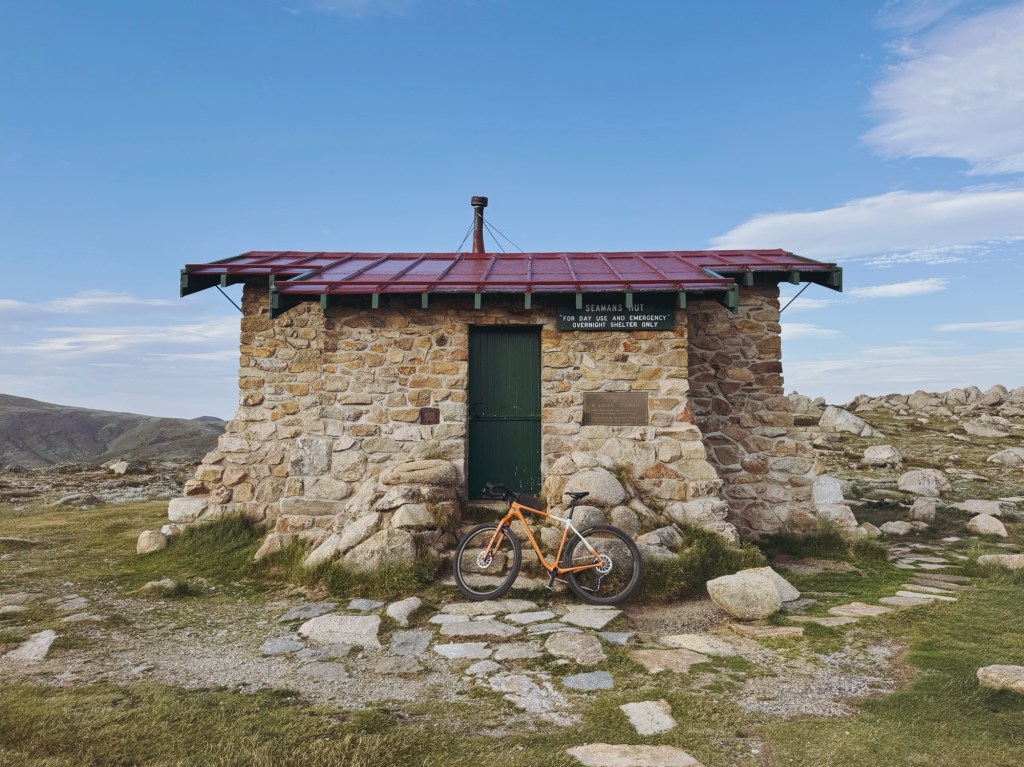
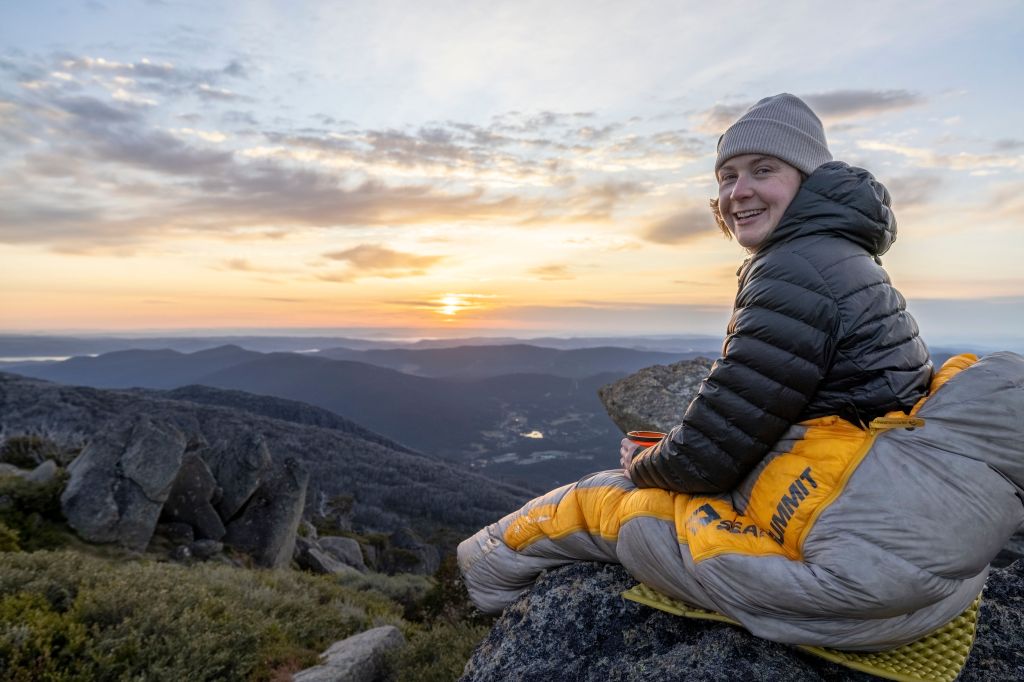
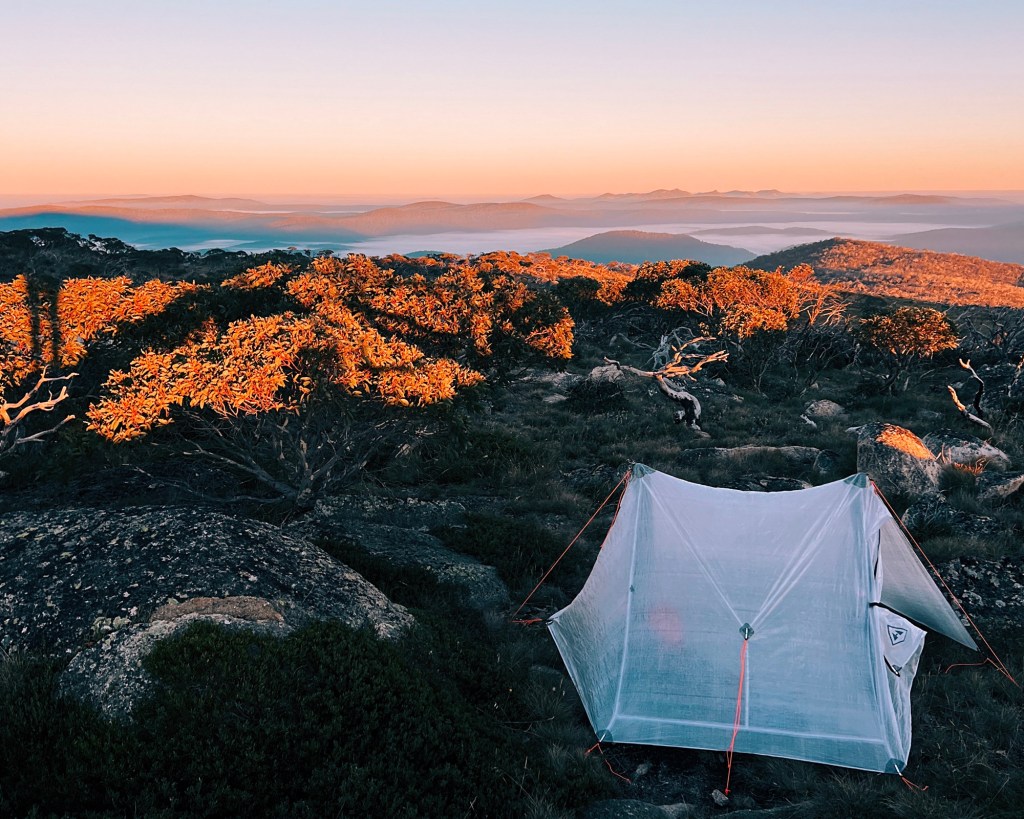
Charlotte Pass has year round lodge accommodation, but if you’re already bringing the bike, why not lean into the adventure and turn this into a bikepacking overnighter. Seamans Hut makes a great campsite, with plenty of grassy spots and a relatively new drop toilet nearby. Just be sure to follow KHA hut etiquette so everyone can enjoy the space together.
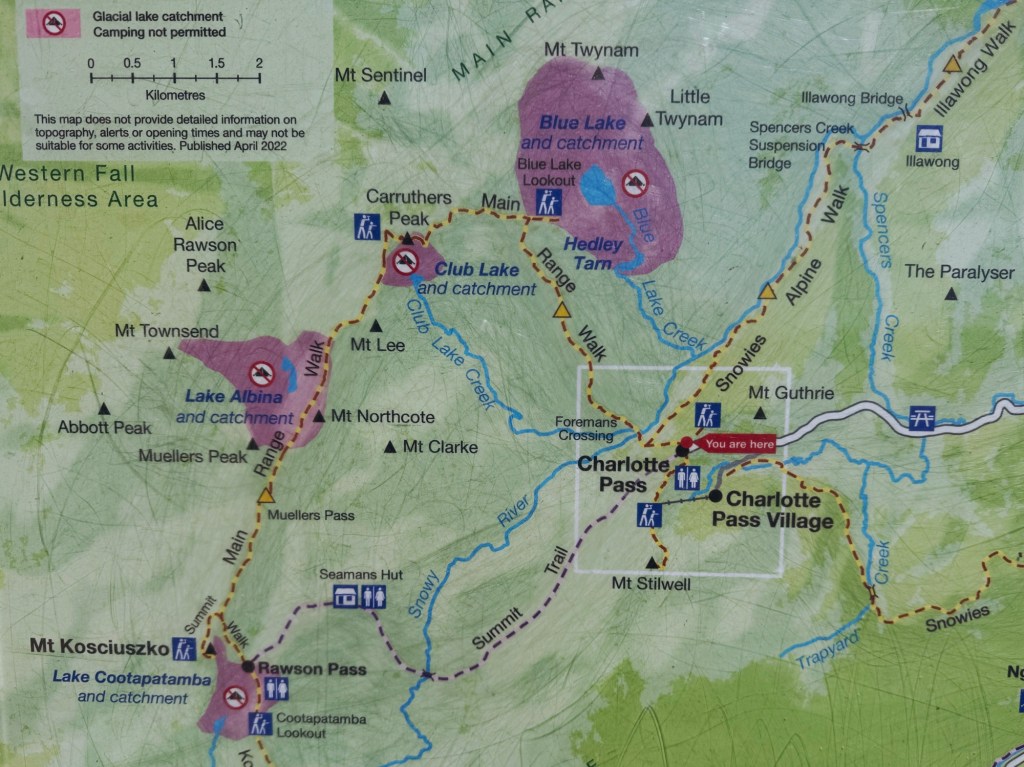
Take note, camping isn’t permitted within the glacial lake catchment areas, which includes Rawson Pass and the summit of Mount Kosciuszko. For more information on wild camping in Kosciuszko National Park, see the NSW National Parks website.
Trip Report
Temperatures were pushing well into the high 30˚s at home and I hadn’t left the house all day. By late afternoon I was restless, so I made a last minute decision to pedal somewhere cooler, and head into the alpine. By the time I drove into the Charlotte Pass car park around 6pm, it was completely empty.
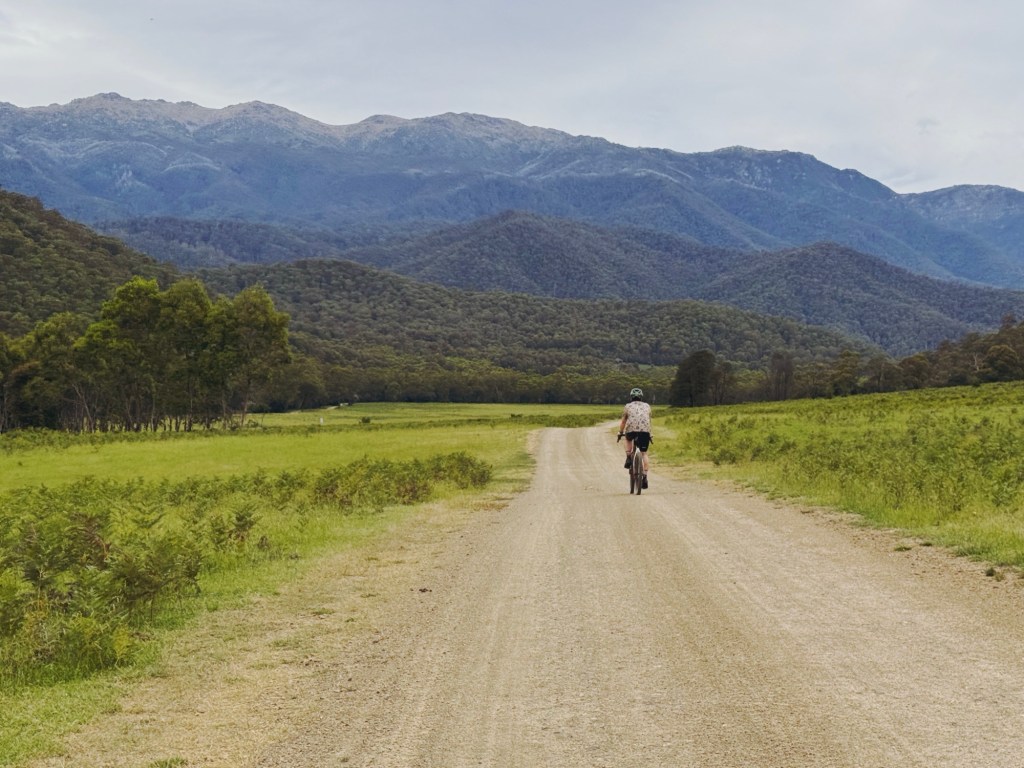
The ride begins gently as the track passes through the last of the snow gums, and leaves the tree line behind. The gravel through this section is champagne smooth and surprisingly fast, even with the steady upward gradient. A few rocky water bars cut across the road, including one particularly long one, so beginners may want to dismount.
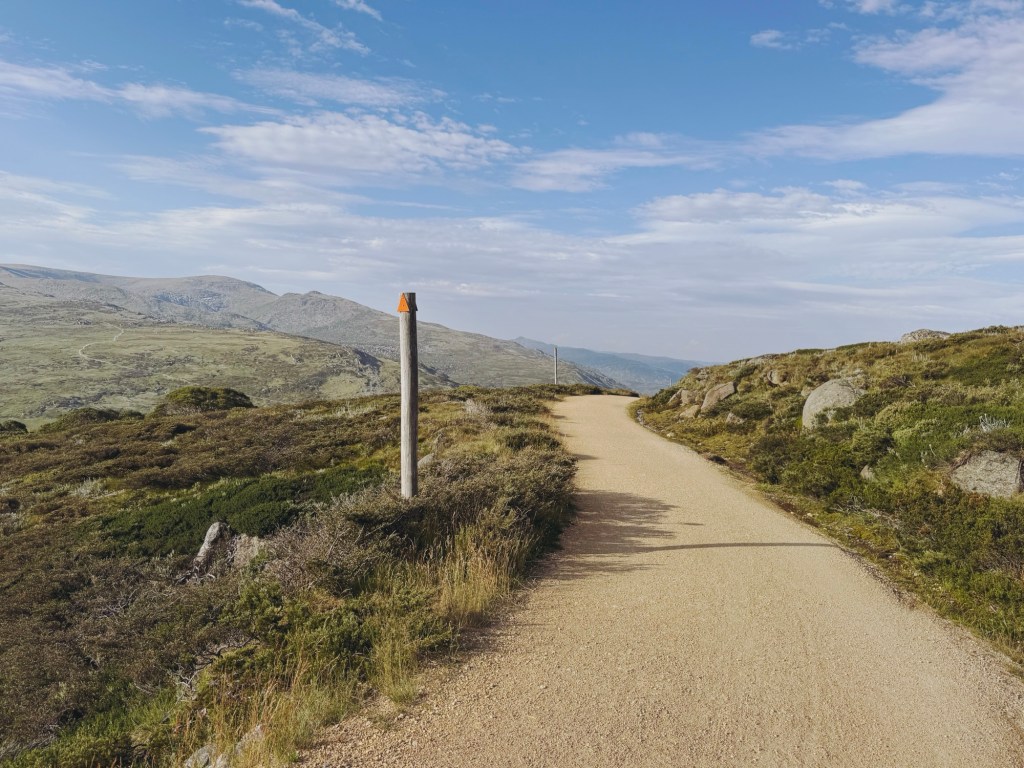
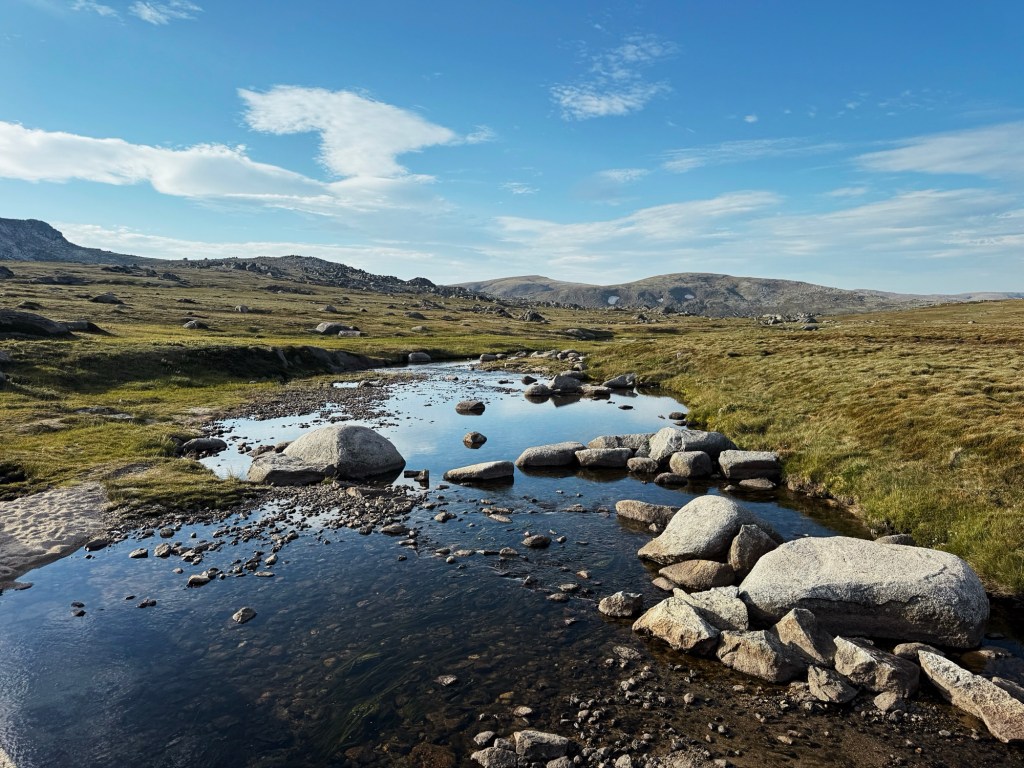
The trail dips slightly to cross the Snowy River bridge, and the water looks dangerously inviting on a hot day. I barely stopped though, racing the clock to reach the summit before sunset. From the river, the road climbs more steeply toward Seamans Hut, Australia’s highest hut. The gravel gets a little chunkier here, but it’s still entirely rideable.
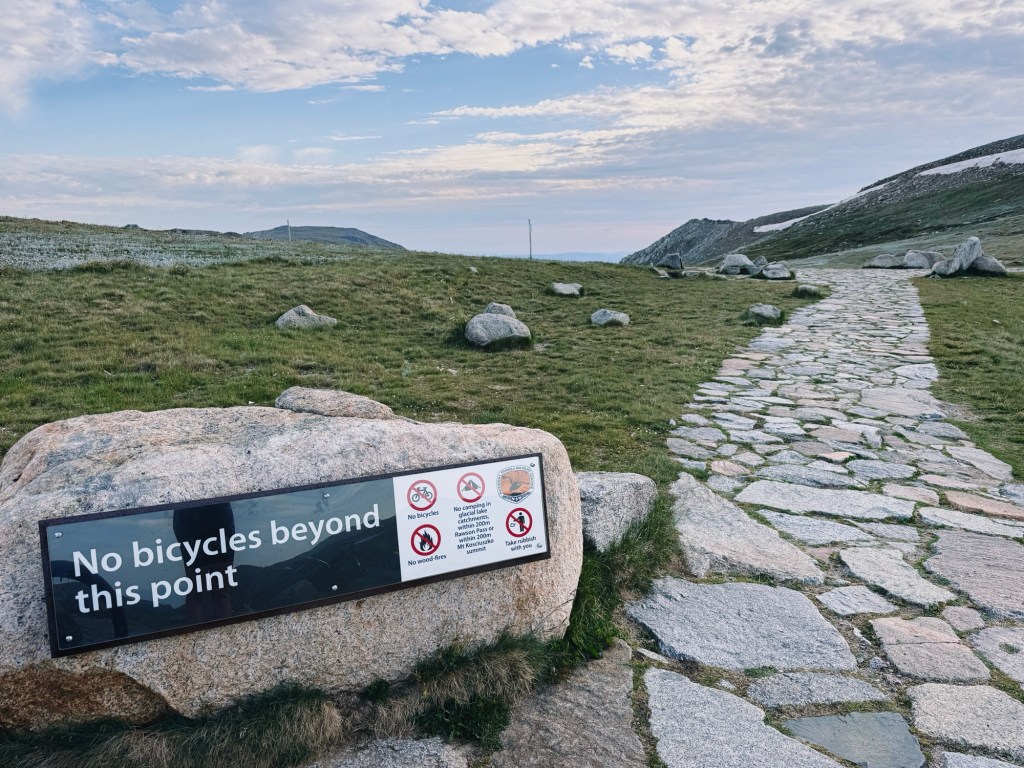
Once past Seamans Hut, Kosciuszko appears directly up ahead, and those with perfect 20/20 vision might be able to spot hikers on it’s round peak. At Rawson Pass bikes aren’t permitted any further, but there are conveniently placed bike racks where you can lock up before walking the final kilometre to the summit.
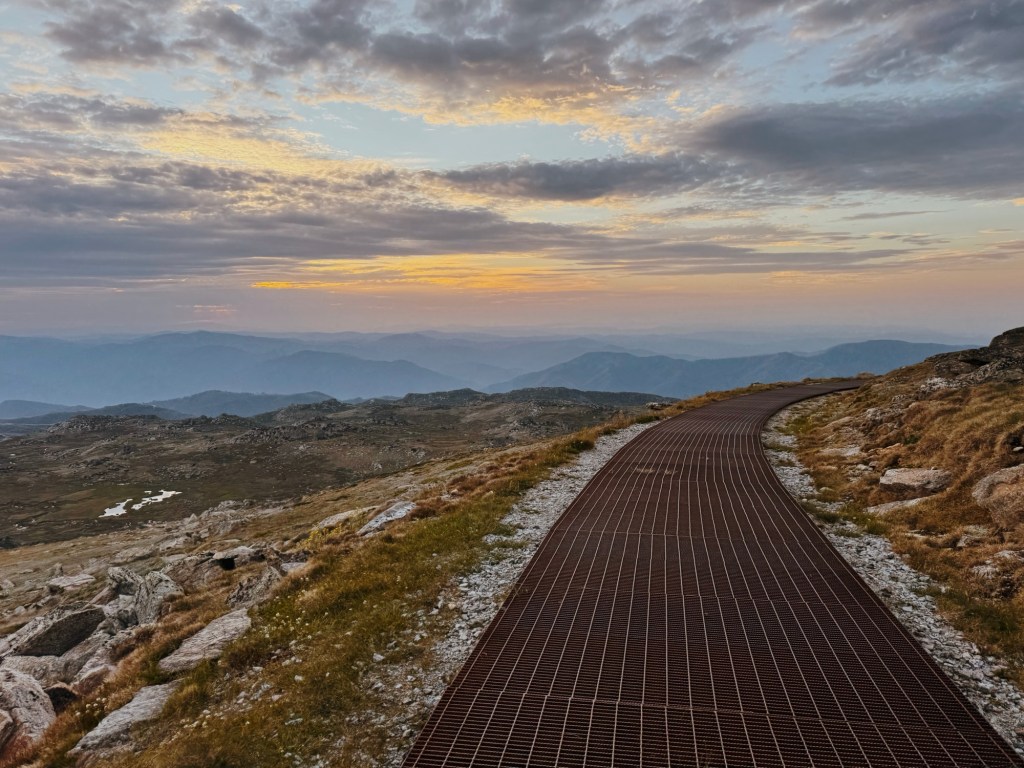
The track turns left at Muellers Pass and wraps around Mount Kosciuszko on a mix of stone paths and metal boardwalks, with sweeping views into Victoria and across to Mount Townsend, Australia’s second highest peak.
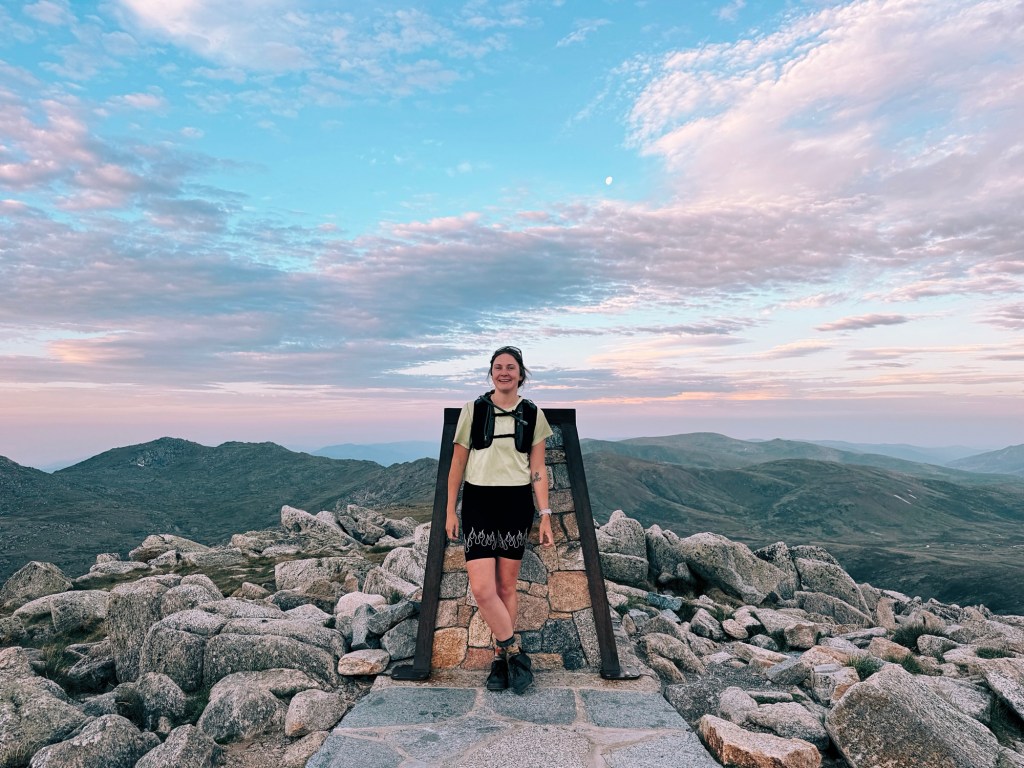
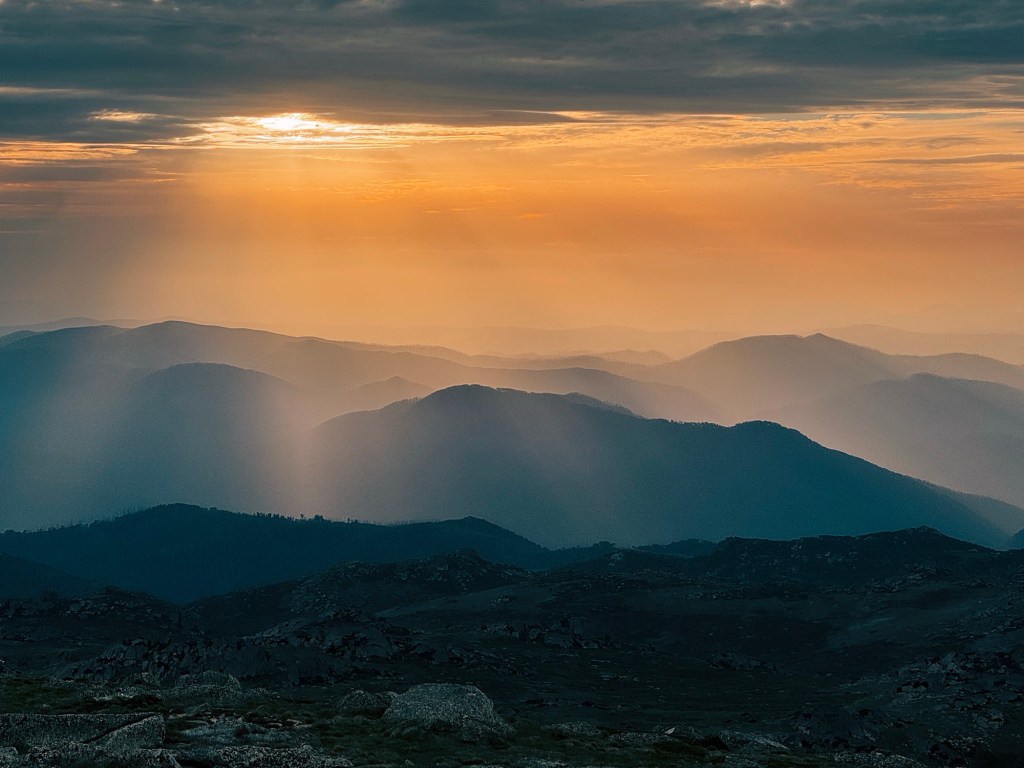
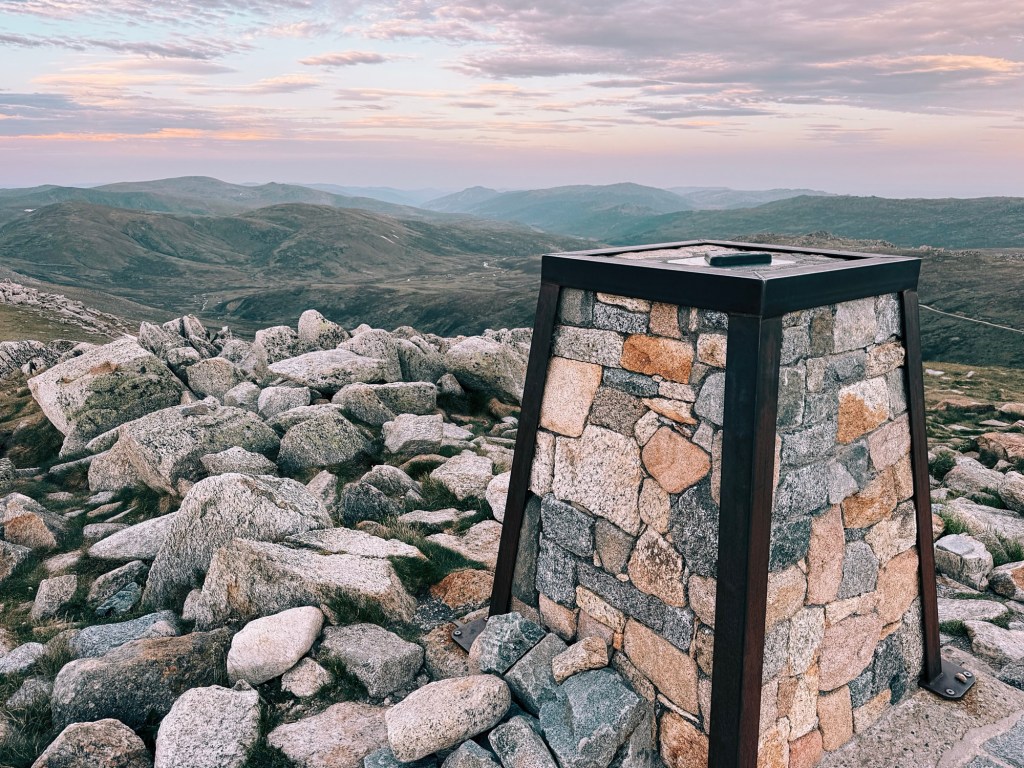
I’d arrived a little too early, so I sat on the summit for nearly an hour watching the clouds change. The mountains slowly cycled through gold, orange, then deep purple. From the top I could trace the entire road I’d just ridden, winding all the way back toward Charlotte Pass.
By the time the sun slipped behind the mountains I was already rolling back down the road in the last of the light. The alpine air still held warmth from the day and I didn’t even need a jacket. The descent is fast, smooth, and ridiculously fun, just keep an eye out for the occasional surprise water bar waiting to buck you out of the saddle.
Tips for the Mount Kosciuszko Ride
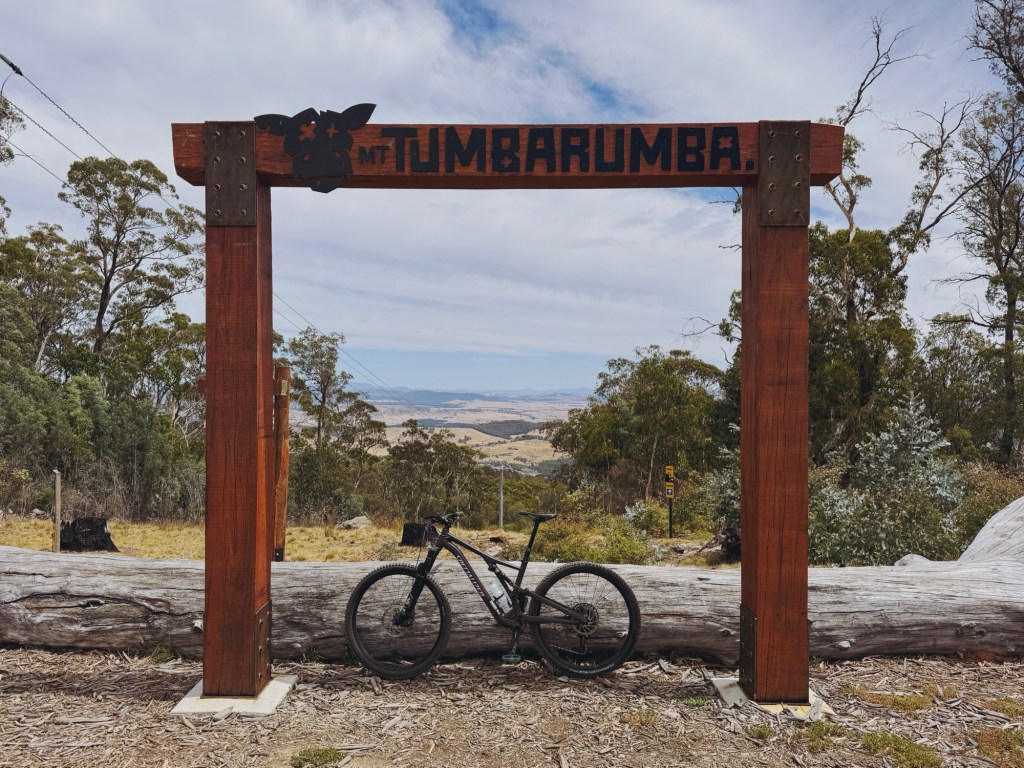
Bike: Gravel or MTB only. I rode this on my Salsa Cutthroat, a rigid gravel bike running 29 x 2.2 inch tyres, and it handled the surface easily.
Closures: Always check NSW National Parks alerts before heading out. Fire danger, aerial shooting, and maintenance closures are common in this region.
Wildlife: Snakes and funnel web spiders live throughout the park. Stay alert, especially in warmer months, and carry a snake bandage.
Water: Streams may look pristine but traffic in the area is high. I’ve been sick from untreated Snowy River water before, so I always use a water filter now.
Phone Service: Reception is surprisingly decent along much of the route (I’m with Optus), but it can drop out in valleys. A personal locator beacon (PLB) is a smart backup and can be hired from NSW National Parks in Jindabyne.
Toilets: There are three along the route, Charlotte Pass car park, Seamans Hut, and a larger block at Rawson Pass.
Disclaimer: Content on Path & Pedal is for general information and inspiration only. All route guides and trip reports are based on personal experience and research at the time of writing. Conditions, access, weather, and regulations can change. Always check official sources and use your own judgment. Outdoor adventures carry risk, and Path & Pedal accepts no liability for injury, loss, or damage.

 Path & Pedal
Leave a comment