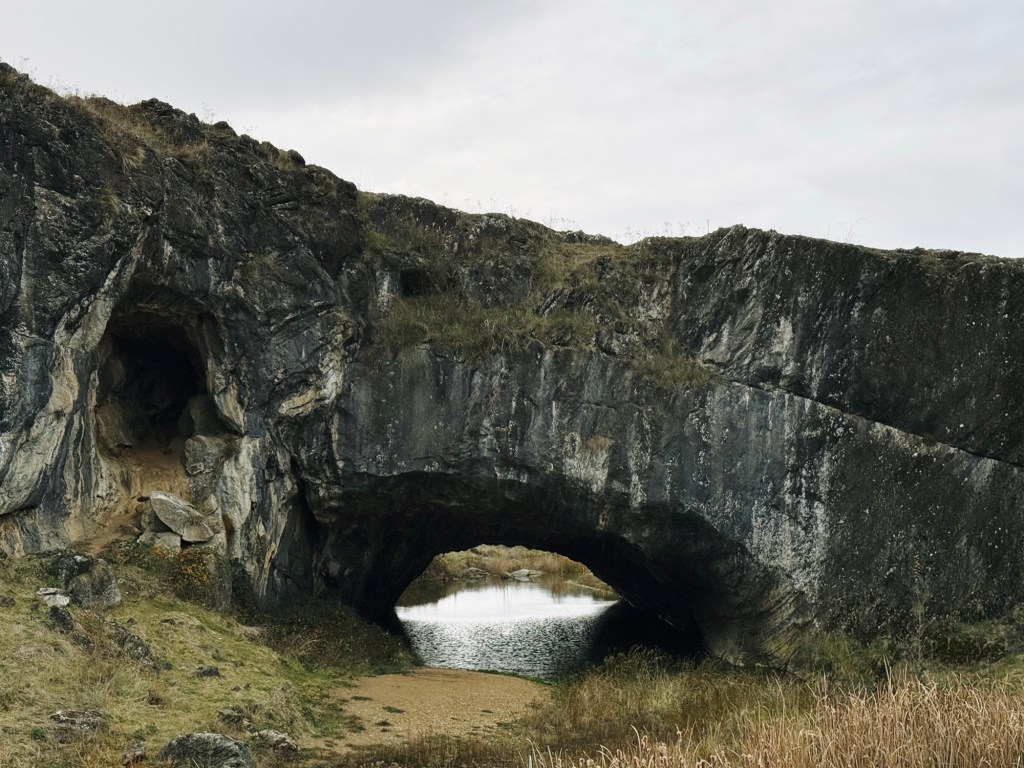
Most people don’t go to Googong chasing adventure. With shiny new houses popping up each day, it sounds more cul-de-sac than gravel escape. But tucked just behind the rooftops is Googong Foreshore, a wildlife refuge and water catchment, that feels much further than a 30-minute drive from Canberra’s CBD. Gravel roads roll through grassy hills and native bush, with sweeping views over the dam, historic homesteads and one seriously impressive limestone arch. If you’re searching for a gravel ride in Canberra that’s close, quiet, and a little bit rugged, the Googong Western Foreshore gravel ride from Googong Dam to London Bridge is a proper hidden gem.
Skip to:
- Quick Look
- About the Googong Foreshore
- Where to Start the Googong Western Foreshore Ride
- Where to End the Googong Western Foreshore Ride
- Skill level Needed for the Googong Western Foreshore Ride
- When to Ride the Googong Western Foreshore Ride
- Where to Camp on the Googong Western Foreshore Ride
- How to Hike the Googong Western Foreshore
- Trip Report
- Tips for the Googong Western Foreshore Ride
Quick Look
Distance: 32km return
Elevation Gain: 620m
Duration: 1-Day
Skill level: Confident Beginner/Intermediate
Location : Googong Foreshore, NSW
GPX: https://ridewithgps.com/routes/51145117
About the Googong Foreshore
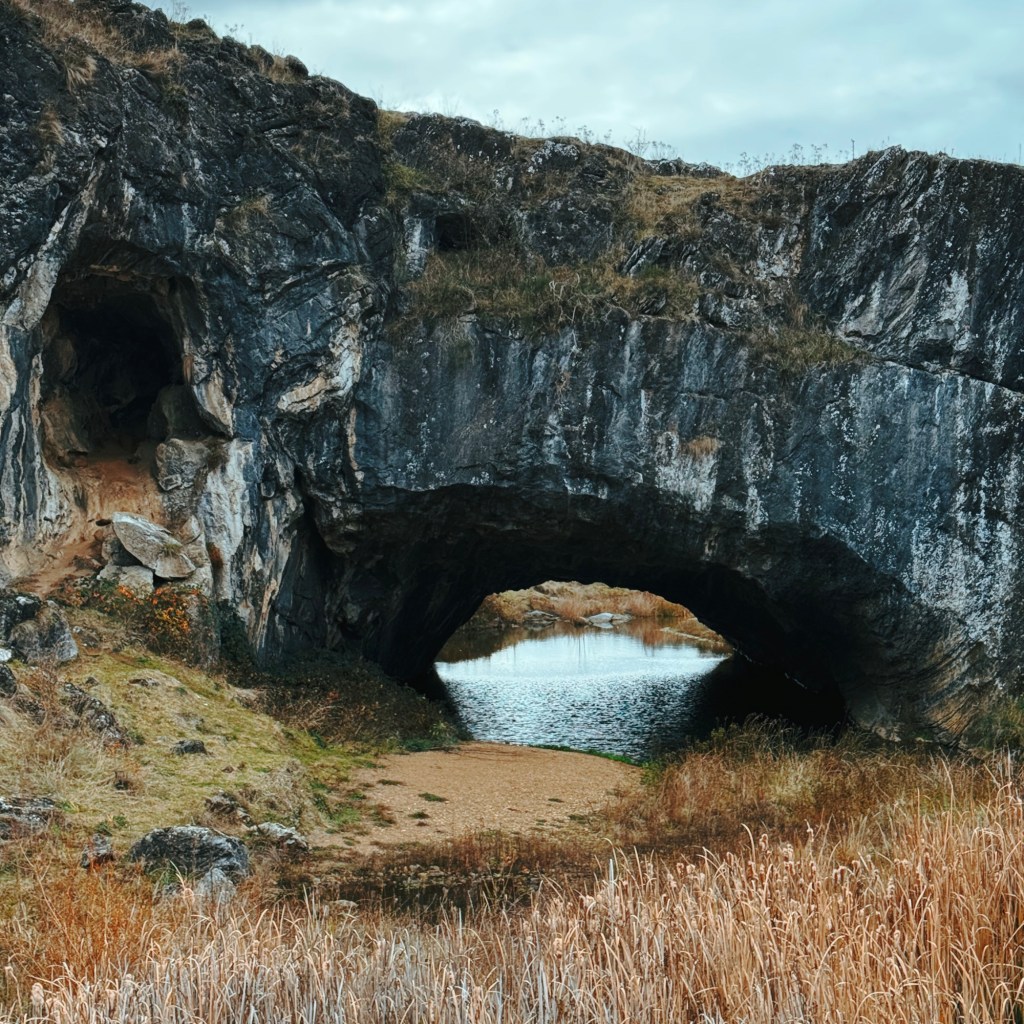
Long before the Googong Dam was built, this area was home to the Ngunnawal people, who lived here for thousands of years. The Queanbeyan River was a traditional pathway used by the Ngunnawal, Yuin and other neighbouring tribes to gain access to the higher country. This land holds deep cultural history including campsites, artefact scatters, scarred trees, and the London Bridge Arch, a sacred limestone formation carved out by Burra Creek.
European settlers moved in during the 1830s and turned the grassy plains into grazing land. The old London Bridge Woolshed and Homestead are just some of the few remnants still standing. Googong Dam was completed in 1979 to supply drinking water to Canberra and Queanbeyan but swallowed up some of the historic sites with it’s rising water levels. Whilst the township of Googong is growing fast, the Googong Foreshore is managed and protected by the ACT Parks and Conservation Service (although located in NSW).

Where to Start the Googong Western Foreshore Ride
This ride starts and finishes at the northern Googong Foreshore carpark by the Googong Dam lookout, at the end of Googong Road. It’s about a 30-minute drive south-east from Canberra, and the road is sealed the whole way to this point. It’s a decent sized parking area with a toilet, and a great view if you have time to walk out across the Dam Wall before starting the ride
Where to End the Googong Western Foreshore Ride
It’s an out-and-back route, but if you’re short on time (or get a mechanical half-way), there’s options to bail out if need be. Either pre-plan a car shuttle or phone a friend to pick you up at Tin Hut BBQ Area or the London Bridge Arch carpark. Both carparks are right on the route and can be reached via a dirt road that is 2WD accessible.
Skill level Needed for the Googong Western Foreshore Ride
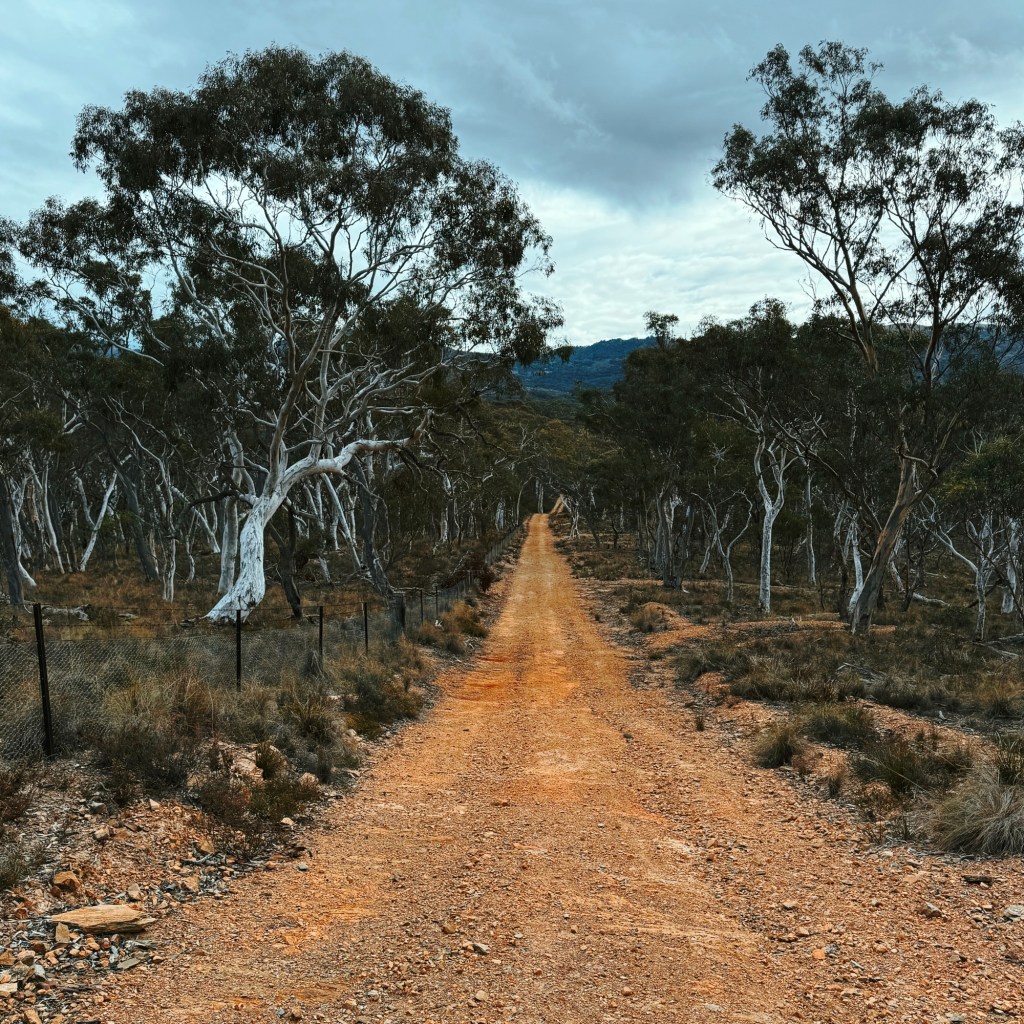
Most of the ride is relatively smooth going on well-graded management roads and a few short sections of grassy track. It’s not very technical, but there are a couple of janky little descents where I got off and walked, no shame here. There’s also an optional spicey extension to this route past London Bridge Arch for advanced riders only (skip to Gelignite Crossing).
When to Ride the Googong Western Foreshore Ride
The Googong Western Foreshore ride can be completed year-round (except for Christmas Day), but Googong Foreshore park does have opening and closing hours:
- North Googong
- Open 8am to 8pm during daylight saving
- Open 8am to 6pm the rest of the year
- South Googong (closes earlier as it’s further out of town)
- Open 8am to 7pm during daylight saving
- Open 8am to 5pm the rest of the year
I’d avoid riding here in the middle of summer unless you’re out early. There’s not a lot of shade and swimming is not allowed in the reservoir, so options to cool off along the ride are limited. I went after a bit of rain and the trails held up well with just a few puddles and a couple of easy creek crossings. Winter rides here can be crisp but stunning, especially with the mist hanging over the water in the morning.
Where to Camp on the Googong Western Foreshore Ride
There’s no camping allowed in the Googong Foreshore area as the park closes overnight (see park opening hours above), so this one is for a day-trips only.
How to Hike the Googong Western Foreshore
This route is best done as a one-way hike, and pre-arranging a car shuttle or pick-up. Starting at the northern Googong Foreshore carpark and ending at the London Bridge Arch carpark, it’s around 20km from end-to-end including the out-and-back to the London Bridge Arch itself.
Trip Report
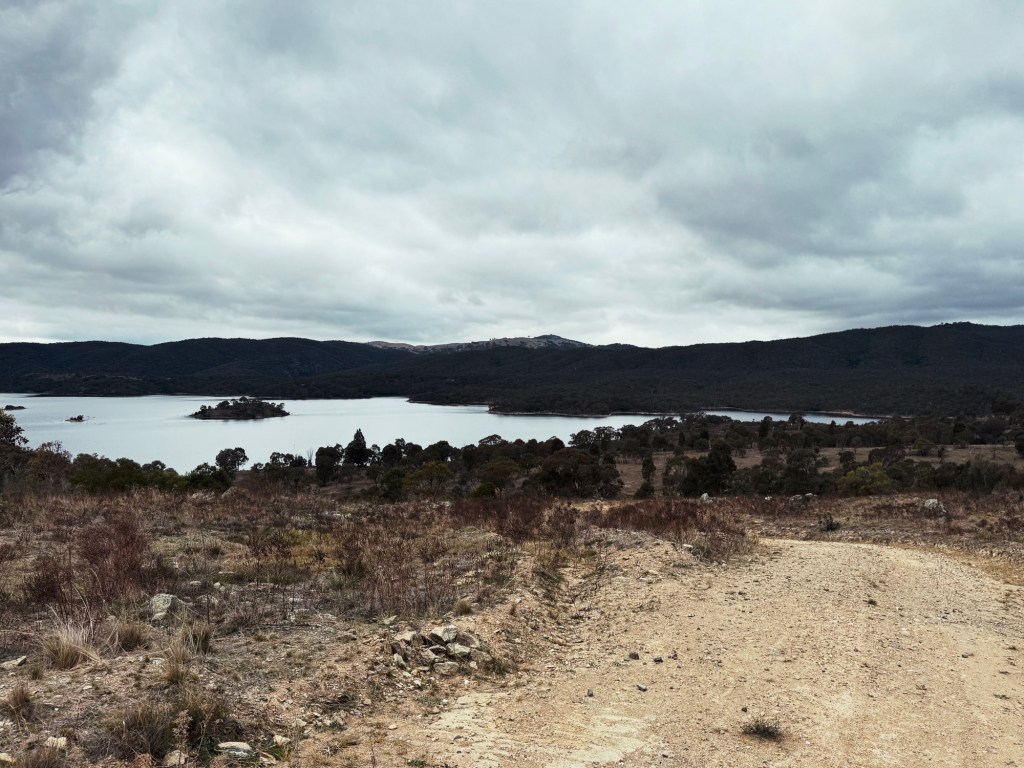
The ride starts off from the Googong Foreshore carpark with a short spin down the bitumen, heading toward the Drumstick Point Boat Ramp. On the outside of a sweeping bend, a dirt track veers off; this is where the real fun begins, and the ‘official’ trailhead for the Googong Western Foreshore track. Almost instantly, the landscape opens up. Rolling hills, and views across the reservoir stretch out ahead, giving the ride a proper rural feel. The gravel here is fast and well-packed, and the undulating terrain gives enough climbing to keep it interesting, without turning into an uphill slog.

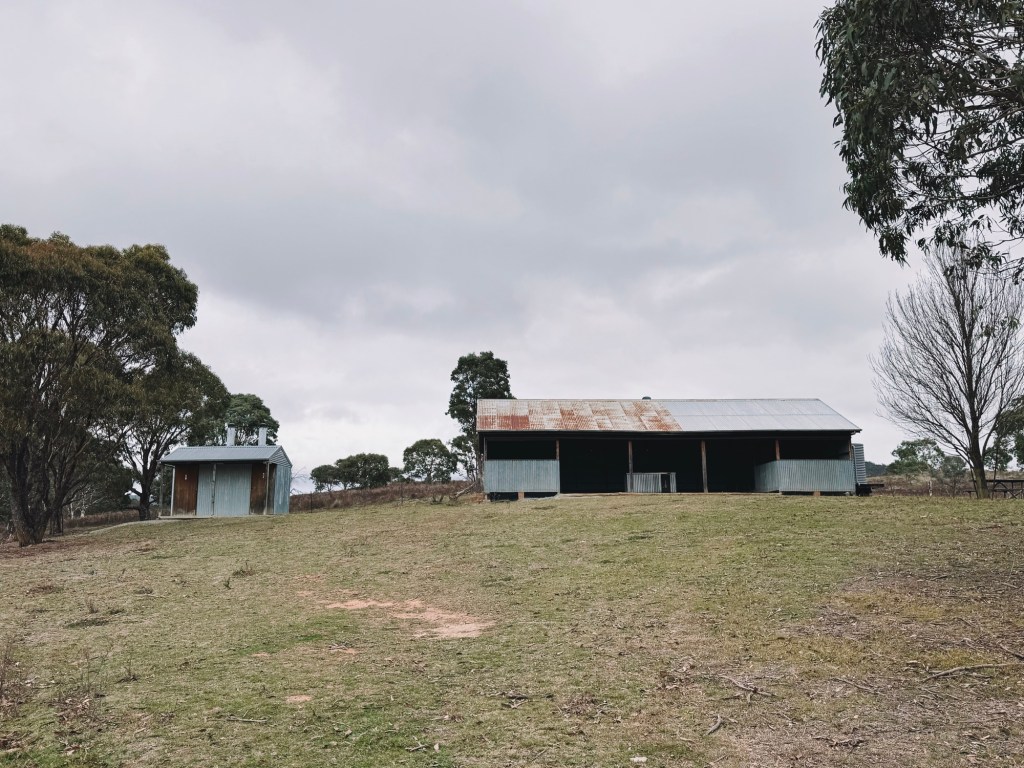
It weaves through the odd forest patch, which is where I nearly had a wallaby take me out. One second I was cruising, the next it darted out of the scrub and missed my front tyre by mere centimeters. After about 10 kilometres, Tin Hut BBQ Area appears beside a quiet little dam. There’s a toilet, picnic tables, and a bird hide tucked away on the banks, if you’re ready for a break.
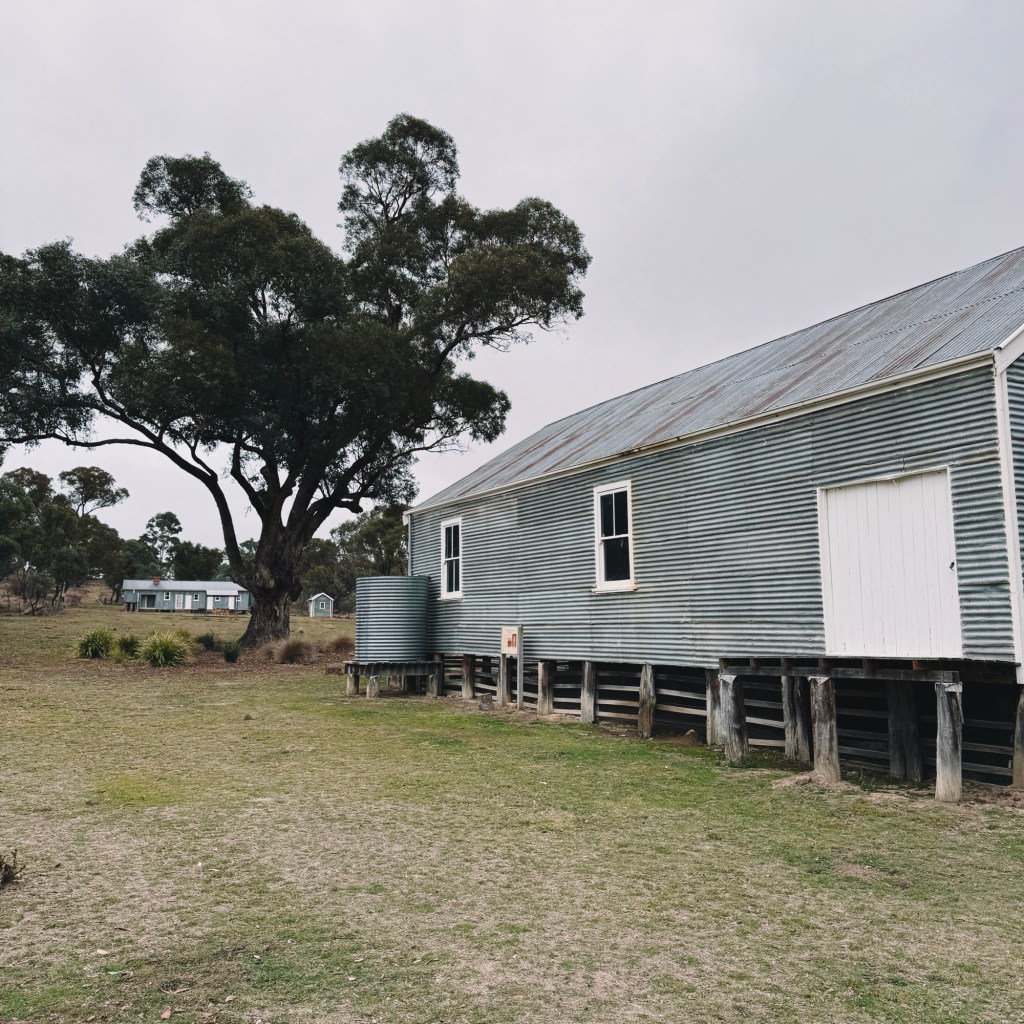
From here, the trail swings toward Tin Hut Inlet, and a right-hand turn pops up onto an unmarked (but obvious) track that cuts across to the London Bridge Arch carpark & Woolsheds. Continue on the Queanbeyan River Walk down to the main event: the London Bridge Arch. There’s a detour to the London Bridge Homestead, but I completely missed it as I was enjoying fast descent a little too much. Just before the arch, there’s a small water crossing over Burra Creek. I was able to keep my feet dry by hopping across a line of boulders with the bike on my shoulder, but it looked possible to ride straight through.
To see the natural arch itself, take the grassy detour off the main track down to the river. It’s a lovely spot for lunch, complete with a wooden bench and some open grassy space. There are signs asking people not to climb the arch, and honestly, it looks fragile enough that I wouldn’t want to test it.
Advanced Option: To Gelignite Crossing and Back
If the legs are feeling good and technical terrain sounds like fun, you can push on beyond London Bridge Arch along the Dhurrawarri Buranya Track. This one’s for advanced gravel or MTB riders only, as the terrain gets rowdy fast.
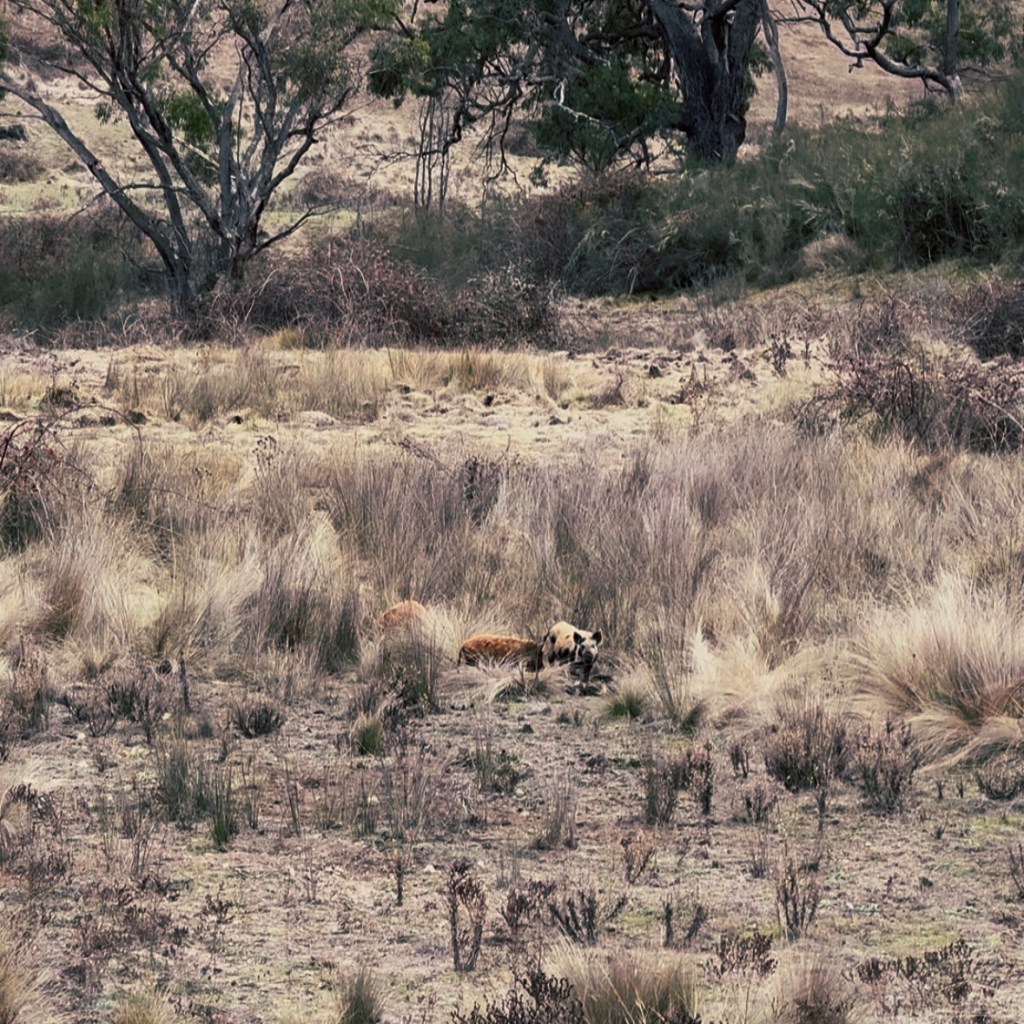
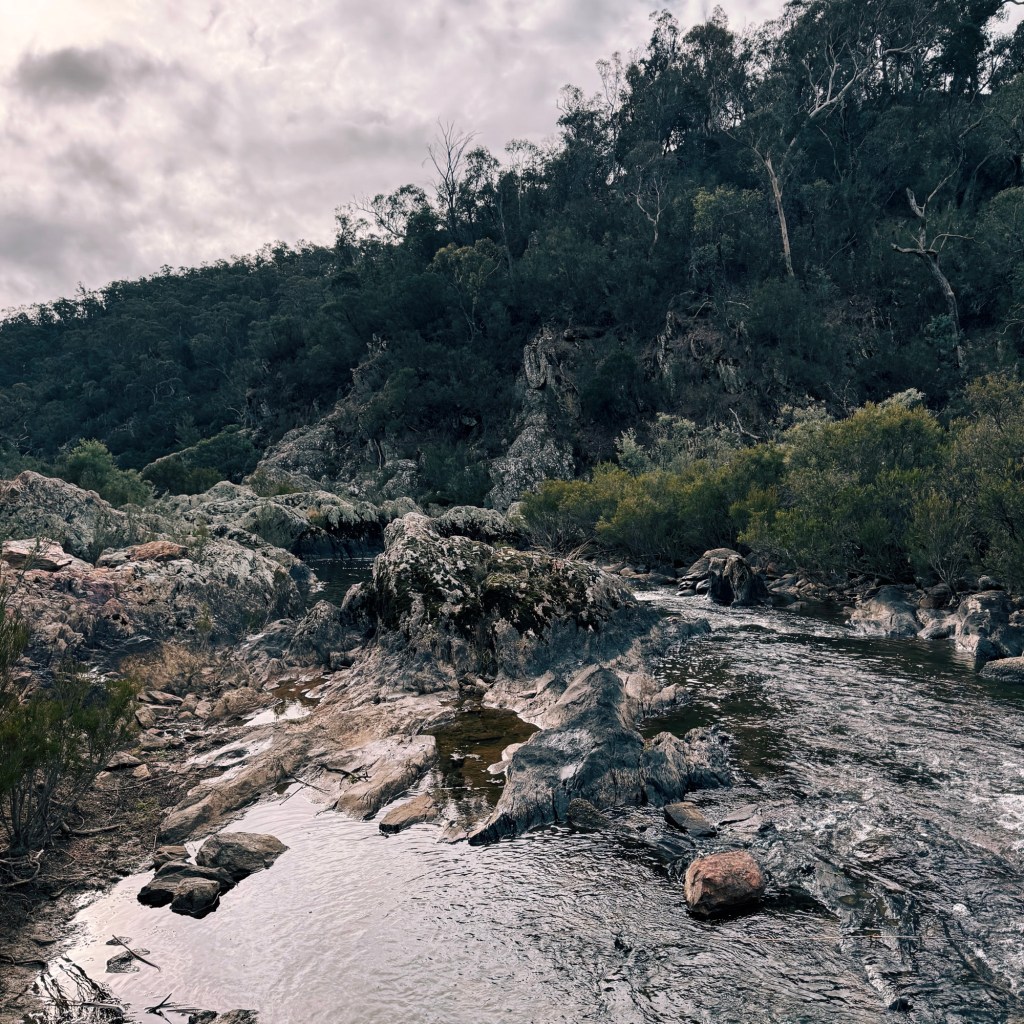
Not long after leaving the arch, I spotted a pack of wild piglets snuffling through the grass. No sign of mum or dad pig, which was both a relief and a little unnerving. The trail climbed steadily through dry native woodland before dropping steeply to the Queanbeyan River Gorge. This descent down to Gelignite Crossing (bout five kilometres from the arch) was brutal. Steep, loose, and littered with chunky rocks, so I walked most of it.
The gorge was beautifully dramatic with towering rock walls, flowing waterfalls and deep pools. I figured I’d try to push on, crossing the river (no dry feet option through here), to turn the ride into a loop. After five slow kilometres of unrideable pinchy climbs and rough descents, I admitted defeat and turned back.
The Ride Home
The return ride follows the same track back to the northern Googong Foreshore carpark. In the golden light of the late afternoon, I rolled past a grassy field and counted seven wombats out for their evening graze.
In the warmer months, the Googong Cascades Walk makes for a perfect post-ride cool down. It’s just a short walk below the dam wall and one of the few spots in the area where swimming is allowed. On a hot day, there’s nothing better than sinking into the water, washing off the dirt and reminiscing on a solid day out on the gravel.
Tips for the Googong Western Foreshore Ride
Bike Type: Gravel or MTB only. I rode it on my Salsa Cutthroat, a rigid gravel bike with 29 x 2.2” tyres, and it handled the terrain perfectly.
Phone Service: Decent phone reception (I’m with Optus) for most of the ride, but it does drop out in some gullies. As always, bring a form of emergency communication and let someone know your plans.
Water: No drinkable water on the trail, so make sure you bring enough for the whole ride
Toilets: Available at the Googong Foreshore carpark, Tin Hut BBQ Area, and London Bridge Arch carpark(~halfway).
Wildlife: I saw wombats, kangaroos, wallabies, and a pack of feral piglets. Snakes are also around in the warmer months, so make sure to carry a snake bandage and know how to use it. No dogs or horses are allowed in the Googong Foreshore park.
Closures: Check ACT Parks alerts before heading out. The area sometimes closes for aerial shooting operations or hazard reduction burns
Disclaimer: Content on Path & Pedal is for general information and inspiration only. All route guides and trip reports are based on personal experience and research at the time of writing. Conditions, access, weather, and regulations can change. Always check official sources and use your own judgment. Outdoor adventures carry risk, and Path & Pedal accepts no liability for injury, loss, or damage.
 Path & Pedal
Leave a comment